
Submission
Deadline
October 16, 2026
Judging
Date
November 12, 2026
Winners
Announcement
November 26, 2026
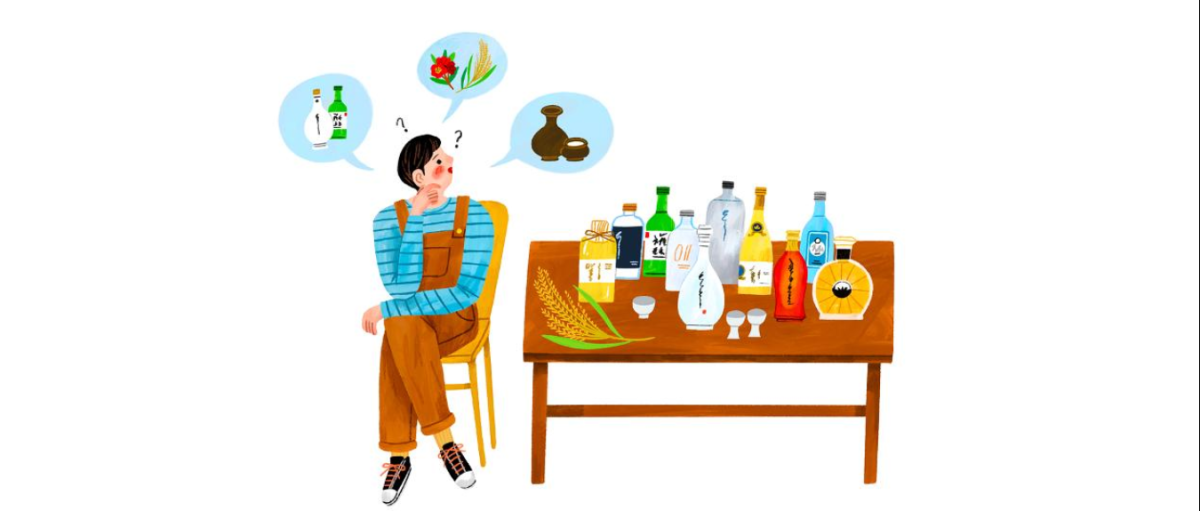
According to Korea’s Ministry of Food and Drug Safety and market research from Euromonitor International, South Korea’s alcoholic beverage market is undergoing one of its most significant transformations in decades as younger consumers increasingly shift away from traditional heavy drinking culture toward premium, convenience-driven, and lower-alcohol alternatives. Industry data from Nielsen Korea and major retail chains, including GS25, CU, Emart24, and 7-Eleven Korea, show rapid growth in canned highballs, ready-to-drink cocktails, flavored soju, imported whiskey, and low-sugar alcoholic beverages, particularly among consumers in their 20s and 30s. The rise of “honsul,” or solo drinking culture, has also reshaped purchasing habits, with more consumers opting for small-format drinks designed for home consumption rather than large group gatherings. At the same time, premium traditional alcohol categories such as artisanal makgeolli are being rebranded through luxury packaging, modern branding, and craft production techniques aimed at younger audiences. Imported whiskey sales have surged alongside Korea’s growing highball culture, while low-ABV cocktails and alcohol-free alternatives continue gaining momentum as wellness and moderation become more influential in nightlife habits. Together, these changes reveal a broader cultural shift in South Korea, where drinking is increasingly defined by individuality, aesthetics, flexibility, and lifestyle rather than purely social obligation.
Source: The Asia Business Daily
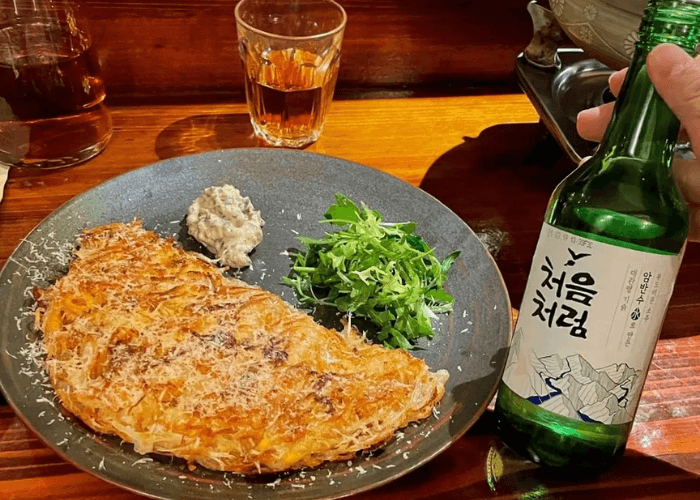
For decades, South Korea’s corporate culture revolved around hoesik, the after-work dinner where employees were often expected to drink with bosses late into the night. Soju brands like HiteJinro’s Chamisul and Lotte Chilsung’s Cheoeum Cheoreom became symbols of social bonding, workplace hierarchy, and stress relief. But younger generations are pushing back. Millennials and Gen Z consumers increasingly associate heavy drinking with burnout, poor work-life balance, and outdated social expectations. Instead of drinking until sunrise, many prefer one or two carefully chosen drinks in quieter environments. Wine bars, cocktail lounges, and solo home-drinking sessions are replacing loud group gatherings. The rise of “honsul,” or drinking alone, reflects broader lifestyle changes in South Korea’s urban culture. Smaller apartments, rising single-person households, and demanding work schedules have transformed drinking into a more intimate activity. Rather than drinking for obligation, younger consumers are drinking for comfort, relaxation, or self-expression. This shift has opened the door for entirely new alcohol categories to explode in popularity.
Source: Maomao
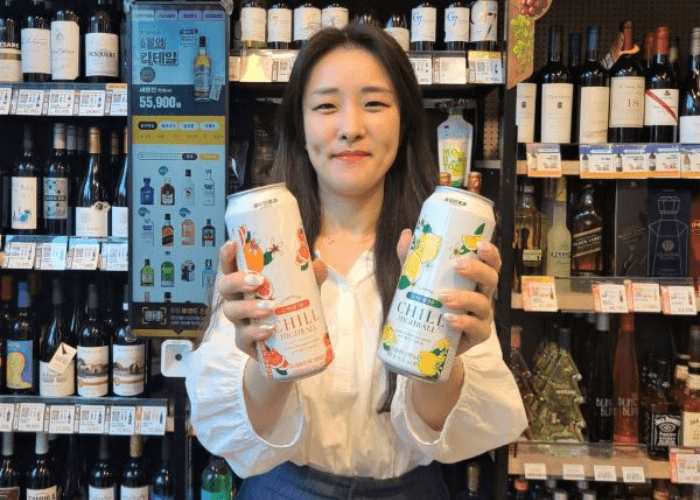
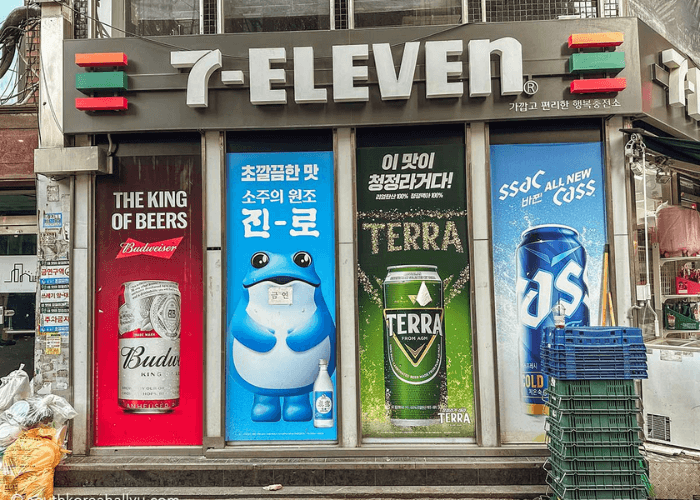
In modern South Korea, convenience stores have become one of the country’s most important alcohol trend laboratories. Chains like GS25, CU, Emart24, and 7-Eleven Korea are no longer simple late-night snack stops. They are where new alcohol products launch, go viral, and sometimes disappear within weeks if trends change. Refrigerators are filled with limited-edition collaborations, influencer-promoted drinks, and seasonal alcohol releases designed specifically for younger consumers. The biggest winner in recent years has been canned highballs. Japanese-inspired whiskey sodas from brands like Suntory Kakubin Highball helped ignite the trend, but Korean companies quickly expanded the category with grapefruit highballs, lemon whiskey sodas, and sparkling RTD cocktails. Consumers love them because they feel premium without requiring bartending skills or expensive liquor bottles. Brands including Asahi, Suntory, Jim Beam Highball, and Korean retail-exclusive collaborations have become especially popular among urban consumers looking for convenient but stylish drinking options.
Source: South Korea Hallyu
These ready-to-drink beverages also fit perfectly into Korea’s growing home-drinking culture. A canned highball paired with convenience-store fried chicken or instant ramen has become a common Friday-night ritual for young office workers. Packaging matters just as much as flavor. Sleek metallic cans, pastel-colored labels, and minimalist typography dominate shelves because drinks are increasingly chosen for social media appeal. Some limited-edition alcohol products sell out purely because they become viral on Instagram or YouTube reviews. Convenience stores have also normalized experimentation. Consumers can try small-format cocktails, imported beers, or premium traditional liquors without committing to full-sized bottles. That flexibility has accelerated trend cycles across the industry.
Soju remains South Korea’s most recognizable alcohol, but even the iconic green bottle is evolving rapidly. Traditional soju was known for its sharp taste and high alcohol content, often associated with toughness and corporate drinking culture. Younger consumers, however, began seeking lighter, sweeter, and easier-to-drink alternatives, prompting brands to rethink Korea’s signature spirit. HiteJinro’s flavored Jinro line became a major success with peach, plum, strawberry, green grape, grapefruit, and apple varieties, while Lotte expanded Cheoeum Cheoreom with fruit-forward versions aimed at younger drinkers. Flavored soju helped lower the barrier for casual consumers and international audiences who found traditional soju too harsh, turning the category into a more approachable and playful drinking option.
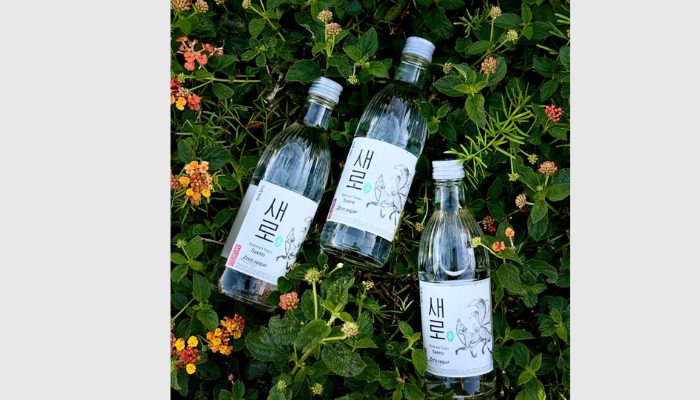
Source: Saero
At the same time, soju branding itself has undergone a dramatic transformation. Modern campaigns now focus less on drinking endurance and more on lifestyle, aesthetics, and social media appeal. Pastel-colored bottles, celebrity ambassadors, limited-edition packaging, and zero-sugar variants have become central to the category’s evolution. Brands including Jinro Is Back, Saero Zero Sugar Soju, and Chum Churum Soonhari continue targeting Gen Z and millennial consumers through trendy branding and wellness-focused positioning. Today, soju is no longer marketed simply as a traditional spirit for late-night group dinners, but as a customizable, fashionable, and globally appealing alcohol category.
Another major shift reshaping South Korea’s alcohol industry is the growing demand for moderation-focused drinking. Low-ABV cocktails, alcohol-free beer, and sober-curious lifestyles are rapidly gaining popularity among younger consumers who still enjoy nightlife and social experiences but no longer want extreme intoxication or heavy hangovers. Imported non-alcoholic brands like Heineken 0.0, alongside local alternatives such as Cass 0.0, Kloud Non-Alcoholic, and Terra Zero, have become increasingly visible in supermarkets, convenience stores, and bars, while cocktail lounges across Seoul are expanding mocktail menus featuring Korean ingredients like yuja, omija, maesil plum, and roasted barley tea. The shift is less about complete sobriety and more about balance, as many young professionals prioritize wellness, productivity, fitness routines, and mental health alongside social drinking. In response, bartenders are focusing more on craftsmanship, storytelling, premium ingredients, and aesthetic presentation rather than alcohol strength alone, transforming Korean drinking culture into a lighter, more experience-driven, and lifestyle-oriented market.
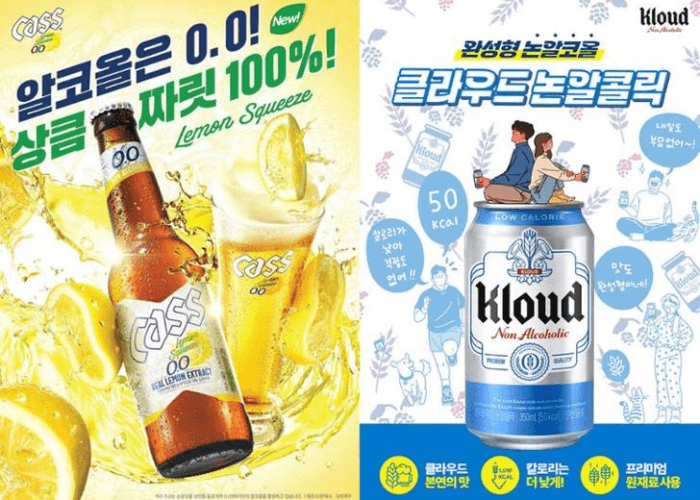
Source: The Korea Times
Few alcohol categories better represent Korea’s changing tastes than makgeolli. The traditional Korean rice wine was once associated with older generations and rural culture, often served in metal bowls at casual restaurants and viewed as cheap, rustic, and unsophisticated compared to imported wine or whiskey. Today, however, makgeolli is being reinvented for a younger audience seeking products that feel both authentic and modern. Premium brands such as Boksoondoga, Jirisan Makgeolli, Neurin Maeul, and Haechangjujo are transforming rice wine into a fashionable artisanal category through elegant bottle designs, organic ingredients, natural fermentation techniques, and refined sparkling textures.
In Seoul neighborhoods like Seongsu and Hannam-dong, trendy bars now serve craft makgeolli in wine glasses alongside fusion Korean cuisine, helping reposition the drink as a sophisticated lifestyle experience rather than a traditional working-class beverage. Some varieties feature floral aromas, champagne-like carbonation, fruit infusions, and minimalist branding designed to appeal to younger consumers and social-media-driven drinking culture. The revival of premium makgeolli reflects a broader movement happening across South Korea, where tradition is being modernized instead of abandoned, allowing younger drinkers to reconnect with Korean heritage through contemporary aesthetics and premium experiences.
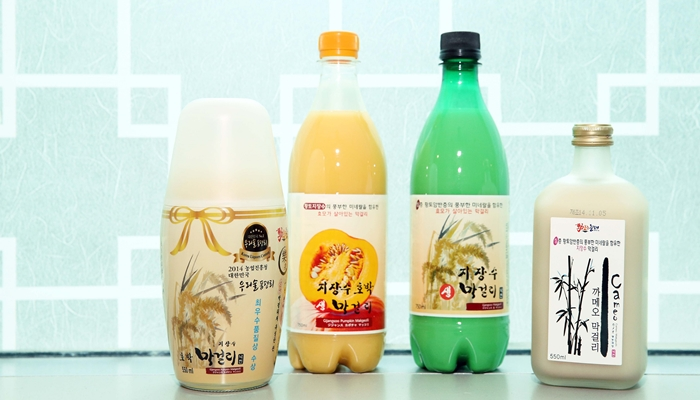
Source: Korea.net
Social Media Now Shapes Korea’s Drinking Culture
TikTok, Instagram, and YouTube have completely transformed how alcohol trends spread across South Korea, turning drinks into visual lifestyle products as much as beverages themselves. Today, cocktails, flavored soju mixes, luxury ice cubes, frozen-fruit recipes, and convenience-store alcohol hacks are often designed to be photographed before consumption, with viral social media content capable of instantly boosting sales for a new highball flavor or a limited-edition collaboration. Convenience-store chains now actively partner with celebrities, influencers, and K-pop brands to launch exclusive alcohol products aimed at younger consumers who increasingly associate drinking with aesthetics, self-expression, and curated experiences. Even home drinking culture has evolved into social media content, with consumers styling apartment tables using candles, premium glassware, mood lighting, and carefully plated snacks to create “home bar” experiences for Instagram and TikTok. At the same time, luxury whiskey brands have gained stronger visibility among younger Koreans as premium drinking culture becomes increasingly influenced by digital trends and aspirational online lifestyles.
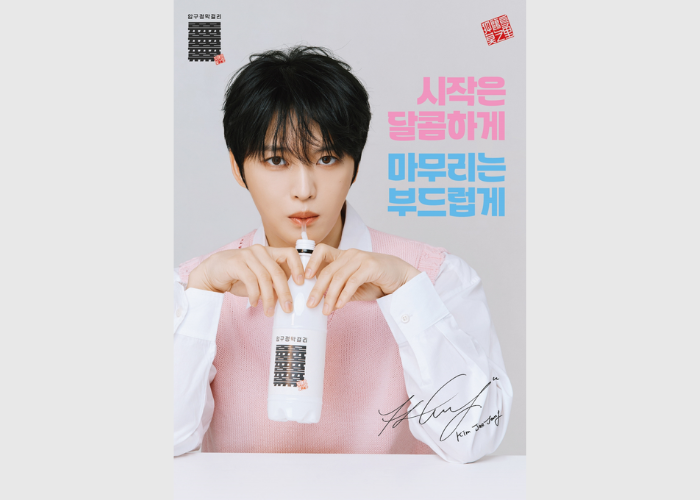
Source: Korea JoongAng Daily
South Korea’s alcohol industry is no longer being shaped solely by tradition, corporate culture, or drinking volume, but by a new generation of consumers redefining what drinking means in modern life. From canned highballs and flavored soju to premium makgeolli, alcohol-free beer, and aesthetically driven home-drinking culture, the country’s beverage landscape is evolving into one of Asia’s most dynamic and trend-sensitive markets. Younger consumers are prioritizing moderation, individuality, convenience, wellness, and emotional experience over outdated expectations tied to excessive drinking, forcing brands, bars, and retailers to rapidly adapt. Convenience stores have become innovation hubs, social media now influences purchasing behavior as much as taste itself, and traditional Korean alcohol is being reimagined through premium branding and contemporary aesthetics. Together, these shifts reflect broader cultural changes happening across South Korea, where lifestyle, identity, and personal experience increasingly define consumer choices. In many ways, the future of Korean drinking culture may no longer belong to the strongest alcohol on the shelf, but to the brands and beverages that best understand how modern consumers want to live.
Header Image Source: Korea.net
Also Read:
Winning In Thailand: How Asia Ratings Supports Market Entry
Vietnam: Asia’s Next Craft Spirits Frontier?
The Power Behind The Shelf: India’s Top Spirits Buyers To Watch Out For
Get your spirits evaluated by leading Asian importers, distributors, retailers and trade buyers. Receive detailed feedback on quality, value and packaging and discover how your brand can improve its market potential in Asia.