
Submission
Deadline
October 16, 2026
Judging
Date
November 12, 2026
Winners
Announcement
November 26, 2026
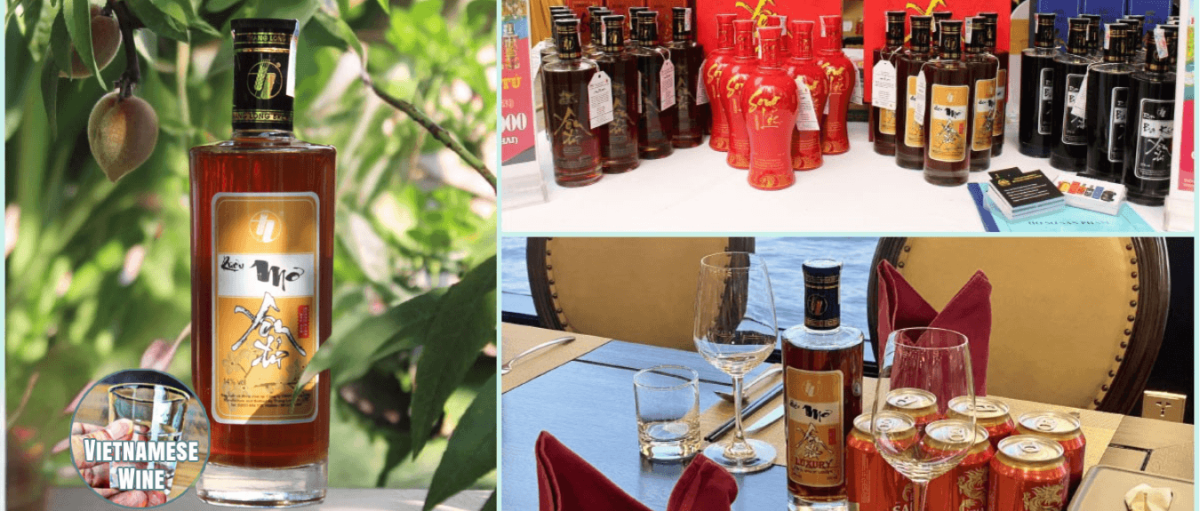
Vietnam’s alcohol market is entering a new phase. Long dominated by beer and traditional rice spirits, the country is now seeing a steady shift toward premium and craft categories, driven by urbanization, rising disposable income, and changing consumer preferences. Vietnam’s alcoholic drinks market continues to grow steadily, with premium segments outpacing overall volume growth. That shift signals a move away from purely price-driven consumption toward quality, identity, and experience. Alongside this change, a new generation of Vietnamese distillers is emerging. These producers are not trying to replicate Western spirits categories conventionally. Instead, they are building products rooted in local identity, using regional botanicals such as lemongrass, lotus, Vietnamese mint, cassia bark, and native citrus. The result is a portfolio of spirits that feel distinctly Vietnamese while still aligning with global craft standards.
For retailers, this is where the real opportunity lies. Craft spirits are not just another SKU to add to shelves. They come with built-in differentiation through story, origin, and flavor. In a market where consumers are still learning and exploring, those elements play a direct role in driving trial and justifying higher price points. The question is no longer whether Vietnam can produce quality craft spirits. It is whether its retail ecosystem is ready to present, position, and sell them effectively.
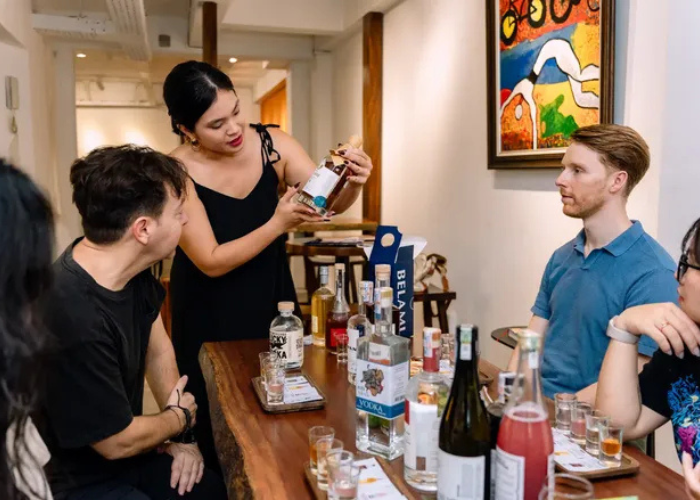
Source: Cookly
Vietnam’s drinking culture has historically been shaped by accessibility and social rituals. Beer dominates everyday consumption, while locally produced rice spirits remain widely consumed, especially in rural areas. These products are often unbranded, inexpensive, and tied more to habit than to identity. However, this landscape is changing, particularly in urban centers such as Ho Chi Minh City and Hanoi. A younger, more globally exposed consumer base is showing interest in new categories, from gin and whisky to rum and liqueurs. Travel, hospitality, and cocktail culture have played a major role in this shift, introducing consumers to new drinking occasions and flavor profiles. Bars and restaurants have become informal education hubs. Consumers are discovering craft spirits through cocktails and curated menus before seeking them out in retail. This behavior creates a direct link between on-trade experience and off-trade demand.
One of the most defining features of Vietnam’s craft spirits movement is its reliance on local ingredients. Distillers are drawing from the country’s biodiversity to create spirits that reflect specific regions and cultural influences. Northern herbs, central spices, and southern fruits all find their way into bottle formulations. This approach gives Vietnamese craft spirits a clear point of difference. In a global market where many products compete on similar flavor profiles, local botanicals create uniqueness that cannot easily be replicated. A gin infused with lotus and green rice, or a rum derived from Vietnamese sugarcane, offers a narrative that extends beyond taste. For retailers, this translates into stronger shelf presence. Products tied to a place or ingredient are easier to group, promote, and explain. A “Vietnamese craft” section or a “local botanicals” display can immediately signal value to curious shoppers.
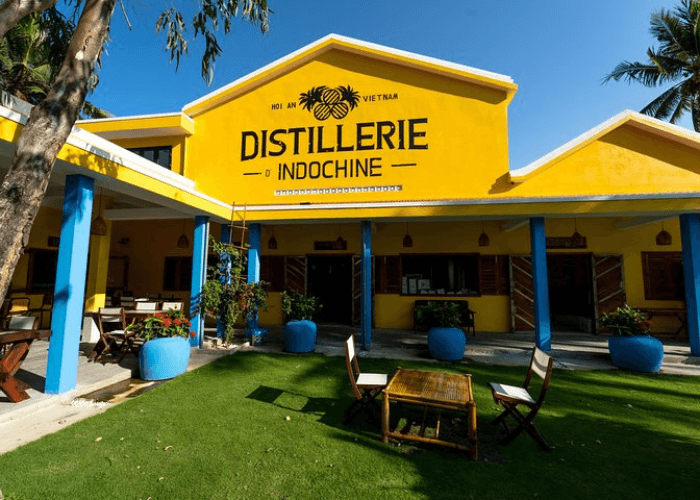
Source: La Maison d'Indochine
Vietnam’s craft spirits category is still young, but its growth is accelerating as a wave of independent distilleries begins to take shape across the country. Producers such as Distillerie d’Indochine, known for its Asia-inspired rum expressions, and Rượu Gò Đen’s modernized rice spirits are reworking traditional formats with a more premium lens. In central Vietnam, smaller operators around Hue and Da Nang are experimenting with herbal infusions and fruit distillates, while Da Lat continues to attract boutique producers leveraging the region’s cooler climate and agricultural diversity. These distilleries are not scaling through volume, but through identity, often producing in small batches and focusing on quality, provenance, and experimentation. The result is a fragmented but dynamic landscape where new entrants continue to push category boundaries, contributing to a broader shift from commoditized alcohol toward crafted, story-driven products.
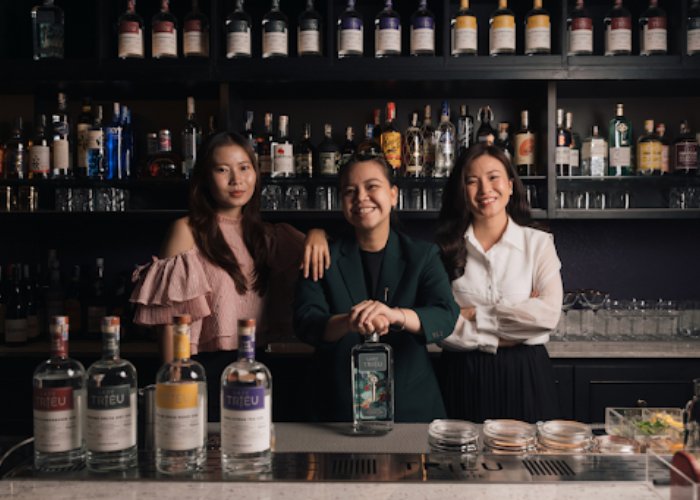
Source: Lady Trieu Gin
Lady Trieu Gin is one of the most visible names, known for its use of Vietnamese botanicals and strong visual identity. It positions itself clearly in the premium segment and appeals to both locals and expats.
Song Cai Distillery is often seen as a pioneer in Vietnam’s craft spirits movement. It works closely with local communities to source wild botanicals, creating a strong narrative around authenticity and heritage.
Sampan Rhum focuses on Vietnamese sugarcane, highlighting the terroir and production methods that set it apart from mass-produced rum.
Saigon Baigur Gin takes a more contemporary approach, combining local ingredients such as Buddha’s hand fruit and Saigon cinnamon with modern branding. Its design-forward bottles make it particularly effective in retail environments.
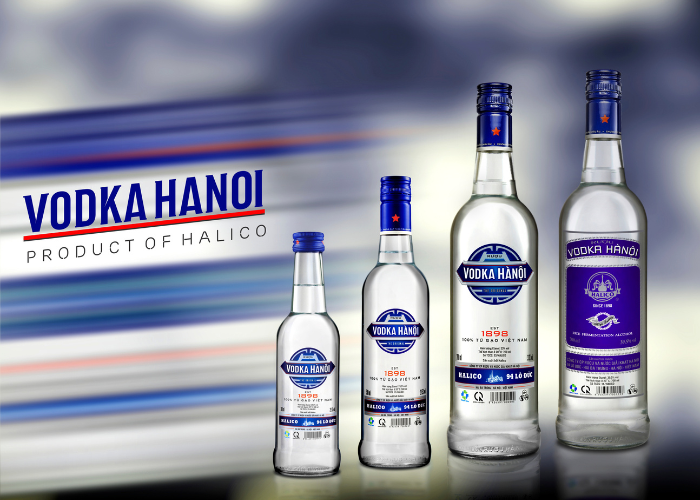
Hanoi Vodka has also introduced additional premium, craft-oriented expressions aimed at a younger, urban audience.
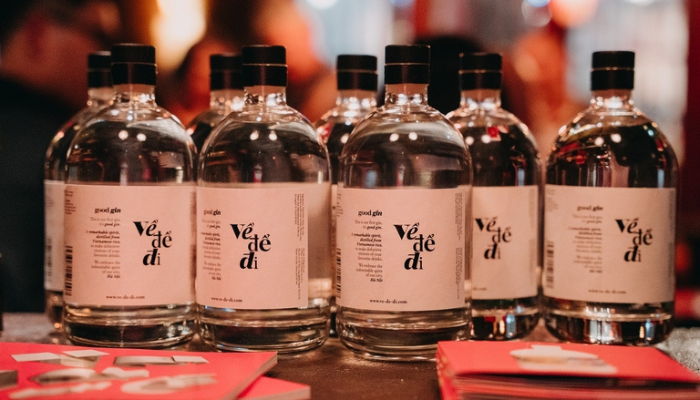
Về Để Đi offers a modern take on traditional rice spirits, upgrading both quality and packaging to make the category more accessible to younger consumers.
Source: Vietcetera
Da Lat-based distillers, including smaller boutique producers, are experimenting with fruit-based spirits and infusions, often using strawberries, coffee, and local herbs. Beyond these, a growing number of micro-distillers and experimental producers are entering the space, including herbal liqueur makers and small-batch gin brands that operate on a limited scale but contribute to category diversity.
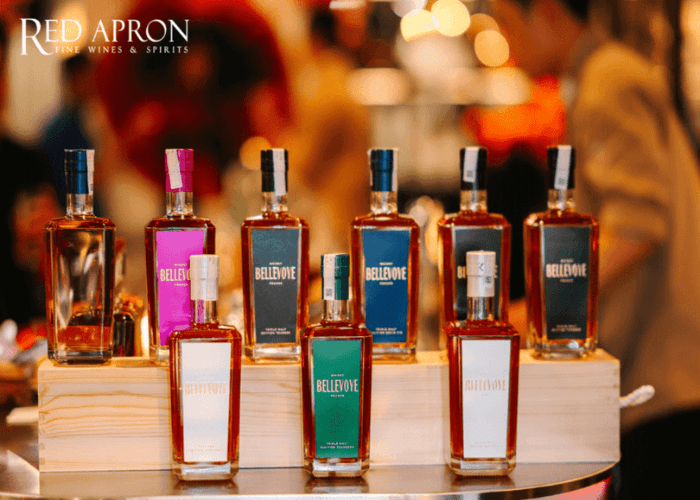
Vietnam’s retail environment is evolving alongside its craft spirits movement. Premium supermarkets such as Annam Gourmet, Lotte Mart, and WinMart are expanding their alcohol sections, dedicating more space to imported and craft products. These stores often act as the first point of exposure for many consumers. Specialty retailers like Red Apron, Warehouse, and The Bottle Shop play a more focused role. They curate selections, offer staff recommendations, and provide a more guided shopping experience. These stores are critical for introducing new craft brands and educating consumers.
Source: Red Apron
Boutique and concept stores are also emerging, particularly in urban neighborhoods. Shops that combine wine, spirits, gourmet food, and lifestyle products are creating a more experiential retail format. In these environments, craft spirits benefit from being positioned as part of a broader lifestyle rather than just a beverage. E-commerce is another growing channel. Platforms such as Shopee, Lazada, and dedicated alcohol delivery services are becoming important discovery tools, especially for younger consumers who research products online before purchasing.
Vietnamese consumers are increasingly drawn to products that feel authentic and meaningful. Craft spirits fit this demand well, particularly when they are tied to local identity. Storytelling plays a central role in this process. A product that highlights its ingredients, origin, and production method can reduce uncertainty for first-time buyers. In a category where many consumers are still learning, a clear and relatable story can be the deciding factor. Gifting culture further amplifies this effect. Alcohol is commonly purchased for holidays, celebrations, and corporate occasions. In these contexts, packaging and narrative are just as important as taste. A well-designed bottle with a strong Vietnamese story often has an advantage over a generic imported option. Social media also shapes behavior. Consumers frequently discover brands through visual platforms, where packaging, branding, and storytelling come together. This makes consistency between online presence and in-store presentation essential.
Source: Hanoi Vodka
Vietnam’s craft spirits category presents a clear opportunity, but it is not a passive one. Success depends on how well retailers can translate product differentiation into consumer understanding. Storytelling needs to move from brand marketing into the retail environment. Simple tools such as shelf talkers, origin cards, and staff recommendations can significantly improve conversion. When a customer understands where a product comes from and what makes it different, they are far more likely to try it. Curation is equally important. Rather than offering a wide but unfocused selection, retailers benefit from presenting a tighter range of well-explained products. This approach reduces confusion and builds trust. Training staff to communicate key points about local botanicals and production methods can also create a stronger in-store experience. Even basic knowledge can make a noticeable difference in how products are perceived.
Ultimately, Vietnam’s craft spirits movement is not just about production. It is about how these spirits are experienced, understood, and remembered by consumers. As the category evolves, its growth will likely depend on how naturally these products find their place in everyday retail settings, not just as premium novelties, but as recognizable, trusted choices. The foundations are already in place, and the next phase will be shaped by how consistently that connection is built over time.
Header image source: Asia Legend Travel
Also Read:
Exclusive: TheDailyWhisky’s Journey to the East
10 Questions to Ask Before Entering Asia’s Spirits Market
The Power Behind The Shelf: India’s Top Spirits Buyers To Watch Out For
Get your spirits evaluated by leading Asian importers, distributors, retailers and trade buyers. Receive detailed feedback on quality, value and packaging and discover how your brand can improve its market potential in Asia.