
Submission
Deadline
October 16, 2026
Judging
Date
November 12, 2026
Winners
Announcement
November 26, 2026
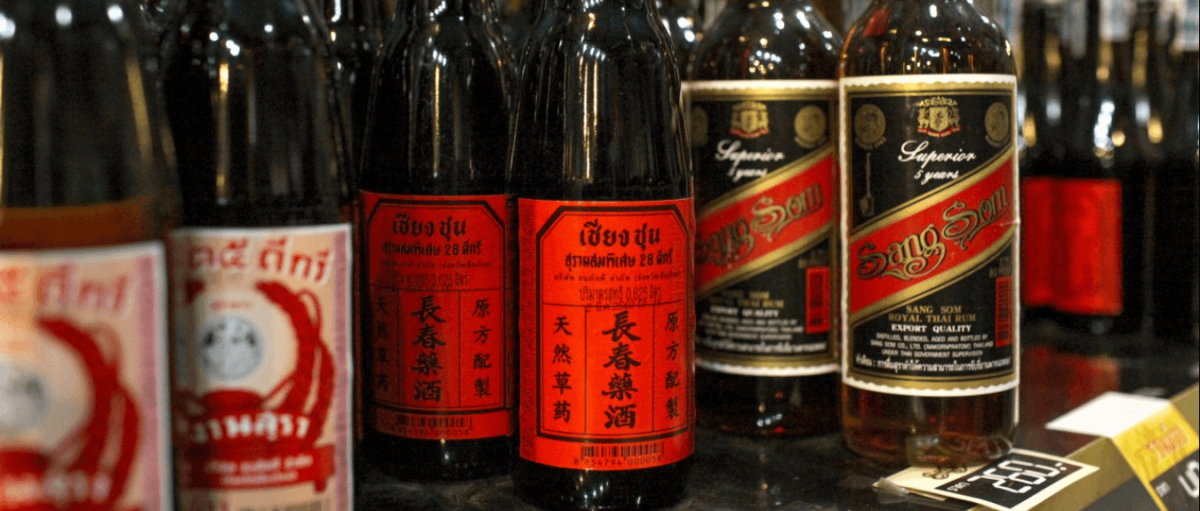
Thailand is moving into a new phase as a wine and spirits market. For years, consumption was driven largely by tourism and concentrated in hotels and beach destinations. That is still true, but it is no longer the whole story. Today, demand is being shaped by a growing urban middle class, a more educated consumer base, and a trade that is becoming more structured and selective in what it lists and promotes. For importers, distributors, and retailers, this shift creates a different kind of opportunity. It is less about pushing volume and more about building portfolios that balance margin, rotation, and brand positioning. Buyers are paying closer attention to price ladders, packaging, and how a product performs on a wine list or back bar. At the same time, competition for listings is increasing, especially in Bangkok and key tourist hubs.
Thailand is not yet as saturated as markets like Singapore or Hong Kong, but it is moving in that direction. This makes timing important. Those who understand how to work with local partners, navigate regulations, and present products in a way that fits Thai on-trade and retail environments are more likely to succeed. In this context, tools that help de-risk buying decisions and support sell-through are becoming more valuable. Asia-focused ratings provide a framework that aligns closely with how the Thai trade evaluates products: not just on quality, but on value and presentation. For a market that sits between premium aspiration and price sensitivity, that balance matters.
Source: Khaosod English
Thailand’s wine and spirits market is evolving on multiple fronts at once. Economic growth has supported a steady increase in disposable income, particularly in Bangkok and other urban centres. This has translated into a gradual shift toward premium and super-premium categories, especially in the on-trade. For importers and distributors, the structure of demand is just as important as its size. Hotels, restaurants, and bars remain the primary route to market for many products, with retail playing a secondary but growing role. Modern retail chains and specialist stores are expanding their wine and spirits ranges, but shelf space is still competitive and often influenced by existing supplier relationships.
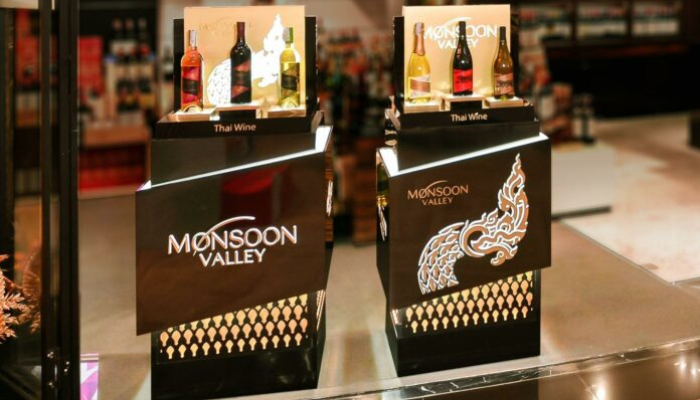
Tourism continues to act as a demand multiplier. Locations such as Phuket, Koh Samui, and Chiang Mai create steady throughput for international styles while also introducing local consumers to new categories. This dual demand requires distributors to manage portfolios that can perform across both high-volume tourist venues and more selective urban outlets. Local producers are also becoming more visible. Thai wineries such as Siam Winery (Monsoon Valley), GranMonte Vineyard and Winery, and PB Valley Khao Yai Winery are gaining recognition in both domestic and regional markets. In spirits, brands like Chalong Bay Rum, Issan Rum Distillery, and Iron Balls Gin are building strong identities that resonate with both locals and visitors.
Consumer behaviour in Thailand is shifting in ways that directly affect buying decisions for the trade. There is a noticeable move toward exploration, particularly among younger urban consumers who are open to trying new styles and categories. For retailers and on-trade buyers, this means that range selection needs to do more than cover basic categories. There is growing interest in origin, production methods, and authenticity. Local wines are increasingly positioned as credible alternatives for certain occasions, especially when paired with Thai cuisine. Locally produced spirits are benefiting from a broader interest in craft and provenance. These brands often perform well in cocktail programs where storytelling and differentiation matter. At the same time, price sensitivity remains a factor. Consumers are willing to trade up, but they expect clear value. This creates pressure on importers and distributors to justify pricing through quality, branding, and on-trade support. Social media and lifestyle marketing also play a role. Products that photograph well and fit into aspirational settings tend to gain traction more quickly, particularly in Bangkok’s competitive bar and restaurant scene.

Source: South China Morning Post
For importers, distributors, and retailers, Thailand presents several practical opportunities that go beyond simple volume growth.
First, premiumisation continues to drive margin. While entry-level products still move in volume, higher-priced wines and spirits often deliver better returns when positioned correctly. This is especially true in hotels, fine dining restaurants, and upscale bars where consumers are less price-sensitive.
Second, the on-trade remains the most influential channel. Listings in well-regarded venues can drive both brand visibility and retail demand. For distributors, this means investing in relationships with sommeliers, bar managers, and purchasing teams, as well as providing staff training and support.
Third, there is space for locally relevant portfolios. Including Thai producers alongside imported products can help create a more balanced and distinctive offering. This can be particularly effective in venues that want to highlight local identity.
Fourth, niche segments are expanding. Categories such as natural wine, low-intervention styles, and craft spirits are still small but growing. Retailers and specialist distributors who move early in these areas can build a loyal customer base.
Overall, success comes from aligning product selection with how and where it will be sold, rather than relying on brand recognition alone.
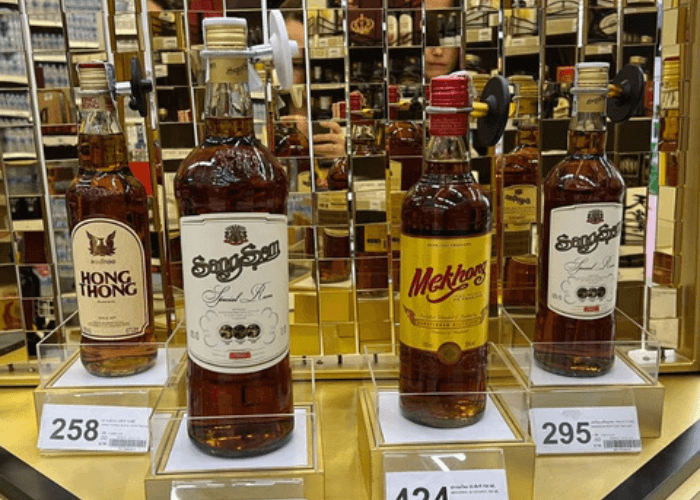
Despite the opportunities, Thailand remains a complex market to navigate. Import duties and taxes can significantly affect pricing, making it difficult to compete without careful positioning. Regulatory requirements add another layer of complexity. Licensing, labelling, and compliance processes require local expertise, making it critical to choose the right importer or distributor. Without strong local partners, even well-positioned products can struggle to reach the market effectively. Distribution itself is relationship-driven. Access to key accounts often depends on established networks, and switching costs can be high for both buyers and suppliers. This means new entrants need to offer a clear advantage, whether in pricing, quality, or support. There is also increasing competition from local producers. Thai wineries and distilleries are improving in quality and gaining recognition, which gives buyers more options when building their lists.
In a market where buyers are managing risk and balancing multiple constraints, recognition plays an important role. Importers, distributors, and retailers need to make decisions quickly, often with limited information and tight margins. Third-party validation helps simplify those decisions. A product that has been independently assessed for quality, value, and packaging provides a clearer starting point for evaluation. This is particularly useful when introducing new SKUs or expanding into unfamiliar categories.
For the on-trade, recognition can support listing decisions and pricing strategies. A wine or spirit with a credible rating is easier to position on a menu or back bar, especially when staff need to explain it to customers. For retail, it can support shelf communication and promotional activity. Medals and scores offer a simple way to signal quality and justify price points, which can help improve conversion. In short, recognition reduces uncertainty across the supply chain, from importer to end consumer.
Source: Phuket Plus
Asia Ratings are structured to reflect how products perform in real market conditions. By assessing quality, value, and packaging together, they provide a more complete picture of commercial potential. For importers and distributors working in Thailand, this is directly relevant. A product may score highly on quality, but if it does not align with expected price points or visual standards, it may struggle to sell. The ratings framework highlights products that are more likely to succeed in-market. This can support portfolio building by helping buyers identify wines and spirits that fit specific segments, whether that is entry-level, mid-tier, or premium. It also provides a consistent benchmark when comparing products across different categories.
From a sales perspective, the ratings offer practical tools. Medals and scores can be used in presentations, trade tastings, and marketing materials. They help communicate value quickly and can strengthen discussions with both on-trade and retail buyers. In a competitive and evolving market like Thailand, having this kind of structured, market-relevant validation can make a meaningful difference in both initial listings and ongoing performance.
Thailand is still developing, which means there is real room to shape the market rather than simply compete within it. For importers and distributors, this is a window to build strong portfolios, secure key relationships, and define positioning before the landscape becomes more crowded. Retailers can benefit by focusing on education, clearer assortment, and more differentiated selections. Success in Thailand is not driven by product alone. It depends on how well a product is positioned, supported, and understood within the local trade. Buyers are balancing margin and risk, while consumers are balancing aspiration with value. This is where structured, market-relevant evaluation becomes useful. Asia Ratings assesses quality, value, and packaging together, helping the trade make more confident buying decisions and align portfolios with real market demand. Thailand remains one of the most promising emerging markets in Southeast Asia for those who approach it with a clear, practical strategy.
Header image source: Explore Parts Unknown
Also Read:
Vietnam: Asia’s Next Craft Spirits Frontier?
The Route-to-Market Playbook for Asia’s Spirits Producers
How to Win Shelf Space in Asia’s Top Bars and Retailers
Get your spirits evaluated by leading Asian importers, distributors, retailers and trade buyers. Receive detailed feedback on quality, value and packaging and discover how your brand can improve its market potential in Asia.