
Submission
Deadline
October 16, 2026
Judging
Date
November 12, 2026
Winners
Announcement
November 26, 2026
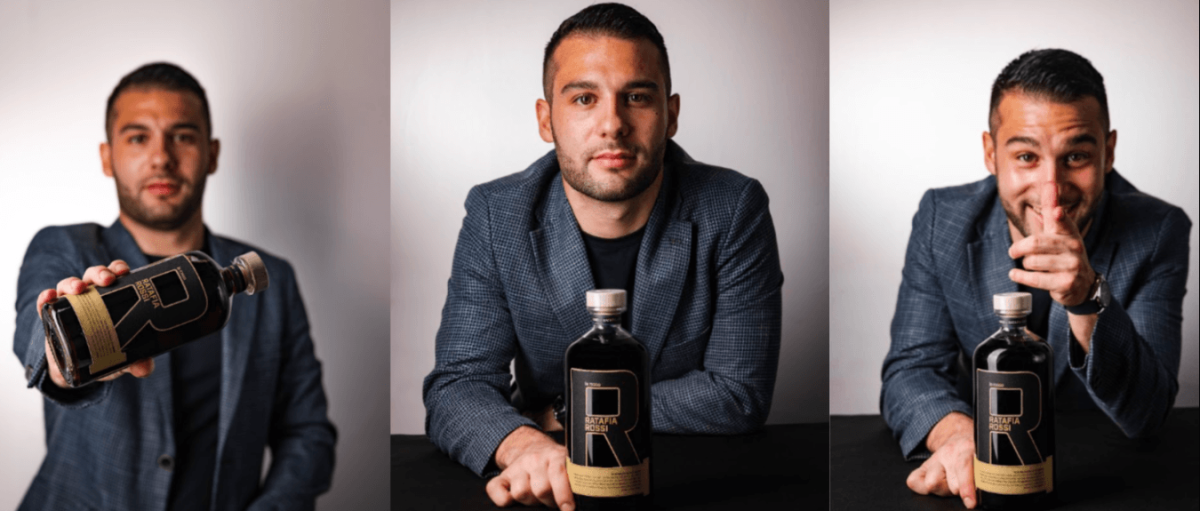
From an early career shaped by Italy’s hospitality traditions to leading some of Hong Kong’s most celebrated bar programmes, Simone Rossi has built a reputation for combining creative vision with commercial discipline. His experience spans London and Hong Kong, including senior leadership at Rosewood Hong Kong, where he helped develop the beverage identity of DarkSide and oversaw programmes across multiple outlets. A Diageo World Class Hong Kong and Macau winner, Rossi has since moved into entrepreneurship as the founder of Rossi Studio and Ratafia Rossi, a contemporary aperitif inspired by a historic Italian category. By transforming a largely forgotten style into a product designed for modern bars and Asian consumers, he offers a valuable perspective on liquid development, brand positioning, and market education. In this conversation, Rossi discusses his transition from bartender to founder, the realities of building a spirits brand, Asia’s evolving drinking culture, and what emerging producers need to achieve lasting commercial relevance.
Italy gave me my foundation: a strong connection to food, seasonality, tradition, and the idea that drinking is fundamentally social. London taught me precision, creativity, and the importance of the modern cocktail culture, while Hong Kong taught me adaptability and how to work across very different cultures and consumer expectations. Today, I try to combine all three: Italian soul, international technique and an Asian understanding of hospitality.
At a certain point, I wanted to move beyond creating drinks for one venue and start creating ideas that could travel. Rossi Studio Bar, Beverage & Hospitality Concepts gave me the freedom to work across hospitality, consulting, product development and brands. It was a natural evolution from being a bartender and bar operator to becoming a creator and entrepreneur.
The biggest lesson was that a great drink is only one part of a successful business. You need consistency, costing, supplier relationships, training, storytelling, and, most importantly, a clear reason for the product to exist. Working at that scale also taught me how important it is to balance creativity with commercial reality.
I grew up around the idea of ratafia, but I realised that outside certain parts of Italy, very few people knew what it was. At the same time, I saw consumers becoming increasingly interested in heritage products and authentic regional stories. I felt there was an opportunity to take something genuinely Italian and give it a contemporary identity without losing its roots.
For me, authenticity comes from the liquid and the story, not from making the product look old-fashioned. We kept the traditional foundations of fruit, wine, and spirit, but approached the balance, packaging, and presentation through a modern lens. Ratafia Rossi needs to feel Italian and historical, but also something a bartender wants to reach for today.
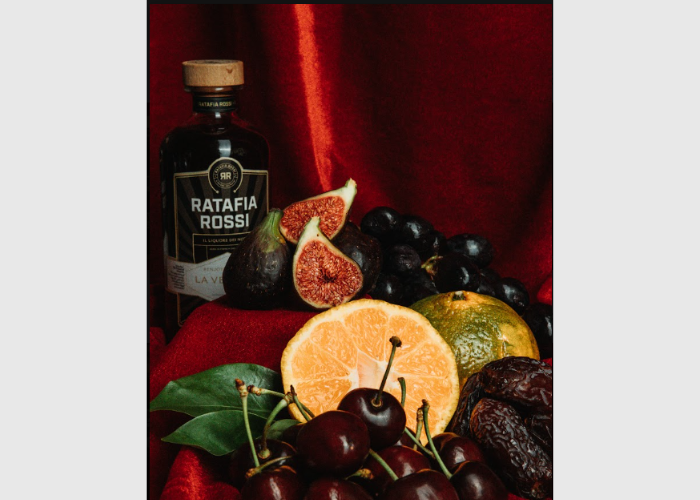
The most important decision was to make the wine an integral part of the identity rather than simply using it as a background ingredient. Barbera d’Asti gives us acidity and structure, while the aged brandy provides depth. The fruit and botanicals then need to support that foundation without making the product overly sweet or complicated. Balance was always the priority.
You cannot assume that consumers will understand the category simply because they understand the ingredients. You have to give them a reason to try it and, ideally, let them experience it in a familiar format. Cocktails, spritzes, highballs, and food pairings are powerful entry points. Once people enjoy the product, the history becomes much easier to communicate.
I look first at the liquid. Does it have a clear identity? Is it versatile enough to work in different serves? Is there a genuine story behind it? And perhaps most importantly, does it make a bartender want to create something with it? Good packaging can get a product noticed, but the liquid has to earn its place behind the bar.
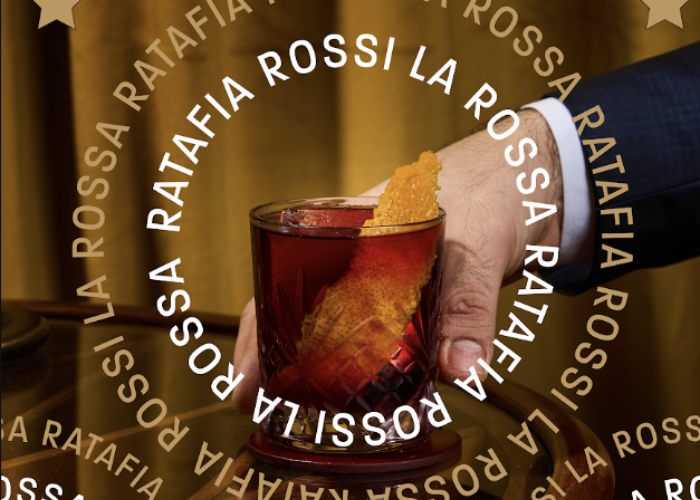
A technically good product can be perfectly balanced, but an inspiring product gives you ideas. It has character, texture, aroma, or an unexpected flavour profile that immediately suggests different applications. For me, the best products create a conversation between the bartender and the ingredient.
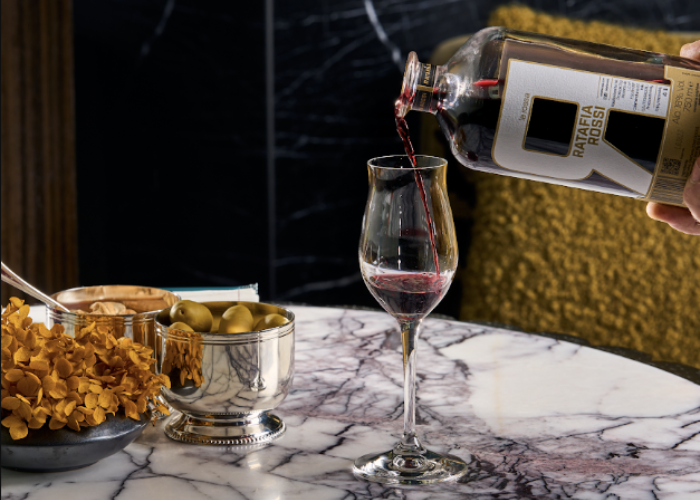
Across Asia, I see drinking becoming much more occasion-driven. People are increasingly interested in aperitivo-style moments, lighter serves and drinks that can sit comfortably alongside food. There is also more curiosity around regional ingredients and heritage products. It creates a great opportunity for products like Ratafia Rossi, which can move between aperitif, cocktail and food-pairing occasions.
One common mistake is treating Asia as one market. Hong Kong, Singapore, Thailand, Japan, China, and other markets can have completely different cultures, regulations, distribution structures, and consumer behaviours. Another is focusing too heavily on the brand story without investing enough in this local trade. Bartenders, distributors, and hospitality groups need to understand how the product actually works in their market.
The ambition for Ratafia Rossi is to become a modern reference for Italian aperitivo culture, while staying connected to its Piedmontese roots. I want it to be recognised not simply as a product from Italy, but as a useful and inspiring ingredient for bartenders around the world.
More broadly, through Rossi Studio, I want to continue connecting hospitality, brands and ideas — developing drinks, concepts and products that have a clear identity and can genuinely contribute something to the industry. For me, it is about pouring ideas into bars, brands and hospitality experiences.
Also Read:
In Conversation with Amir Javaid: What Makes a Spirits Brand Stand Out in Asia?
Marco Maiorano on Luxury Hospitality, Premium Spirits, & Building Successful Spirits Brands in Asia
Nicola Mangiacapra: What Spirits Brands Need to Know About Asia’s Premium Hospitality Market
Get your spirits evaluated by leading Asian importers, distributors, retailers and trade buyers. Receive detailed feedback on quality, value and packaging and discover how your brand can improve its market potential in Asia.