
Submission
Deadline
October 16, 2026
Judging
Date
November 12, 2026
Winners
Announcement
November 26, 2026
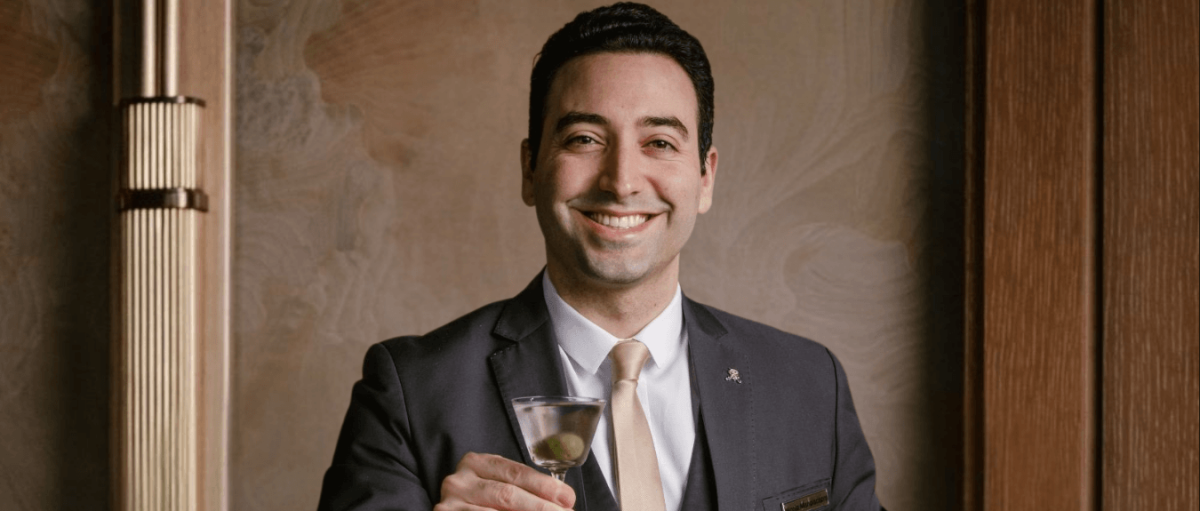
From changing consumer preferences and the rise of zero-proof beverages to packaging, market strategy and hotel partnerships, Langham Hospitality Group’s Director of Bars, Nicola Mangiacapra, shares his perspective on what spirits brands need to succeed across Asia.
Asia’s premium spirits landscape is evolving. Consumers are increasingly focused on quality, non-alcoholic alternatives have moved firmly into the mainstream, and markets such as China are seeing significant growth in their cocktail and bar culture.
For international spirits producers, these changes present opportunities—but succeeding in Asia requires much more than simply bringing a good product to market.
In a recent conversation with Nicola Mangiacapra, Director - Bars at Langham Hospitality Group, we explored what luxury hospitality groups are looking for from spirits brands, how consumer preferences are changing, which Asian markets hold the greatest potential, and what producers should consider when building long-term relationships in the region.
Originally from Naples, Italy, Nicola brings more than a decade of international bar and hospitality experience. His career has taken him from cocktail bars and speakeasies in Naples to Bar High Five in Japan and Artesian at The Langham London. After moving to Hong Kong, his journey included Carlyle & Co. and The St. Regis before he was appointed Director of Bars for the Corporate Office of Langham Hospitality Group in 2024.
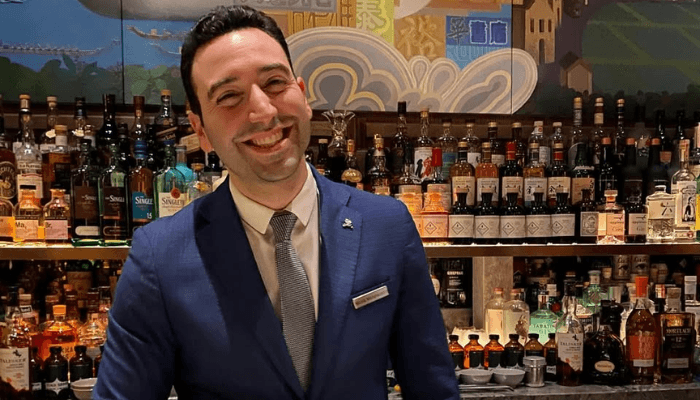
Today, Nicola oversees bar programs across the group, giving him a unique perspective on both the creative and commercial considerations that influence beverage programs within international luxury hospitality.
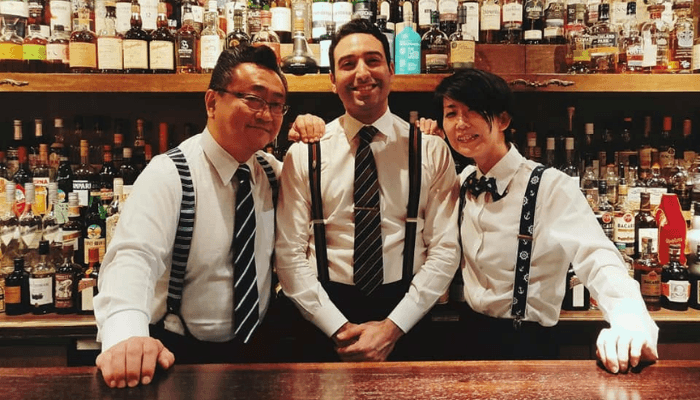
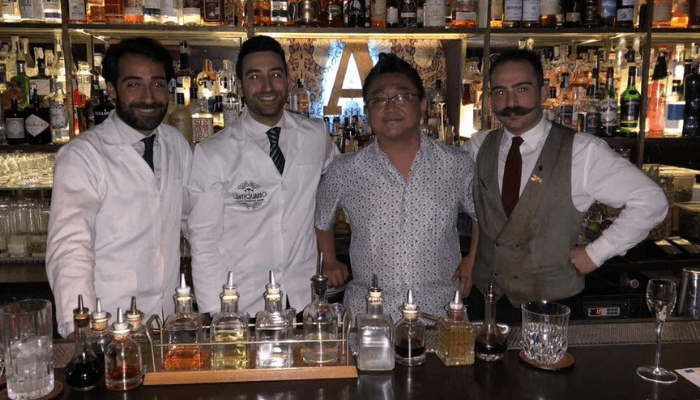
I am originally from Naples, Italy, and I have been working in hospitality, specifically in the bar sector, for over a decade. Prior to the pandemic, I mainly worked in my hometown, in cocktail bars and speakeasies such as L’Antiquario, but I also had the chance to travel and work in Japan at the Bar High Five and in London at the Artesian bar at The Langham London. When I moved to Hong Kong in 2021, I then had the opportunity to work on the pre-opening project of the Carlyle & Co., a private membership club under Rosewood Hotel Group. After two years, I moved to The St. Regis Hotel, where, as Bar Manager, I led the bar program, achieving the Gold Medal for Best Hotel Bar at the Best Bars Awards by RBHK in 2023. In 2024, I was finally appointed as Director of Bars for the Corporate Office of Langham Hospitality Group, where I oversee the bar program of the whole group, opening and revamping projects, bar activations and events, alignment with brand standards and financial targets.
Currently, I believe there is a shift to quality; volumes are decreasing or moving towards other beverage categories rather than spirits. Whisky is still the main protagonist in the premium sector, but Tequila has also gained incredible value over the last few years. I think in the coming years Cognac will gain more popularity as I see larger investments in marketing activations from beverage companies.
Non alcoholic products are not just a trend anymore, especially after Covid; they became a big part of the sector, and now all major companies are working on new high-quality zero-proof beverages, including wines, beers, and spirits.
Hong Kong, Japan, and Thailand (specifically Bangkok) are the biggest markets. But I believe China has the biggest potential, and with the booming of new cocktail bars in all cities, the chances for spirits brands are high if supported by marketing activations.
Quality is always the key, but also exclusivity in the market. Price is essential to guarantee a good volume, but in the long term it is the market to decide the winners.
Packaging and consistency, I feel, are more important than brand story. In the eyes of regular customers, the product must be consistent in quality and price; packaging is essential to attract the guests at first sight.
Not having a clear strategy on how to implement the product, starting from knowing the market, key locations, and bars where they activate their product and marketing support. Social media content is obviously key; knowing the main channels and working with locals is essential to guarantee product awareness in the market.
For Langham Hospitality Group, sustainability is at the core of our bar programs; we continuously encourage the use of local products with a lower impact on the environment. We work closely with companies that are aligned with our sustainability goals, and we make this a big part of our storytelling, as it’s visible in our menus and the consistent support to local vendors and communities.
For hotel groups is essential to work on a plan that shows clear expectations on both sides, so that spirits brands can sustain their long-term financial goals and support the restaurant and bar activities. Understanding the hotels’ goals and the positioning in the market are key to creating a strong partnership.
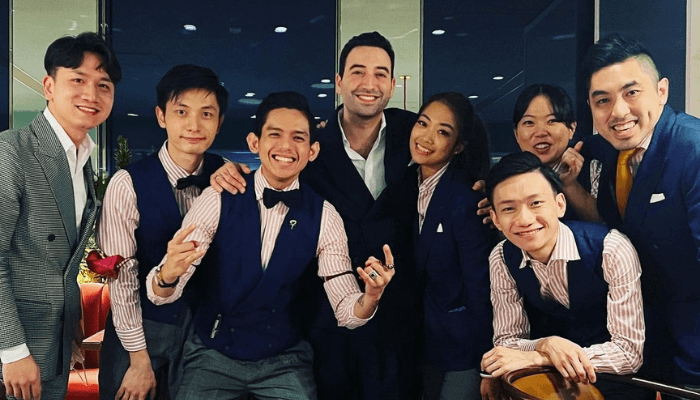
I think what is exciting here is to see spirits brands that are continuing to create unique and bespoke premium products that are available only in Asia, but also building their own identity in this specific market, understanding the local preferences and adapting to the customer preferences with innovative solutions.
Nicola’s insights highlight an important reality for spirits producers looking at Asia: quality may open the conversation, but market understanding, consistency, positioning and local support are what help build a brand for the long term.
His perspective also points to some of the most significant opportunities developing across the region. While established markets such as Hong Kong, Japan and Thailand continue to play an important role in premium spirits, Nicola sees particularly strong potential in China as its cocktail bar culture continues to develop.
For producers, this means understanding not only where the opportunities are, but how their products fit into individual markets. Packaging, pricing, local activations, social media, relationships with hospitality partners and a clear market-entry strategy all contribute to creating sustainable demand.
These commercial considerations are also central to the judging philosophy of the Asia Spirits Ratings, where spirits are evaluated from the perspective of the Asian trade.
Entries are assessed on Quality, Value and Packaging, identifying products that not only perform well in the glass but also have the positioning and commercial appeal needed to succeed with buyers, bars, restaurants, hotels and consumers across Asian markets.
For international spirits brands looking to enter or expand across Asia, understanding the expectations of hospitality professionals such as Nicola can provide an important perspective on what makes a product relevant beyond its liquid.
A medal at the Asia Spirits Ratings provides third-party validation while helping producers demonstrate that their spirits meet the quality, value and packaging expectations of one of the world’s most dynamic beverage markets.
This interview was conducted by Ankita Okate, Chief Growth Officer & Head of Events at Asia Spirits Ratings, as part of an ongoing interview series featuring leading buyers, importers, distributors, retailers and hospitality professionals from across Asia.
Also Read:
What Asia's Buyers and Bartenders Look for in Spirits?
Inside Asia’s Agave Boom With East West Asia And Brian Werner
Angad Soni On Building Sepoy & Co. Into India’s Leading Premium Mixer
Get your spirits evaluated by leading Asian importers, distributors, retailers and trade buyers. Receive detailed feedback on quality, value and packaging and discover how your brand can improve its market potential in Asia.