
Submission
Deadline
October 16, 2026
Judging
Date
November 12, 2026
Winners
Announcement
November 26, 2026
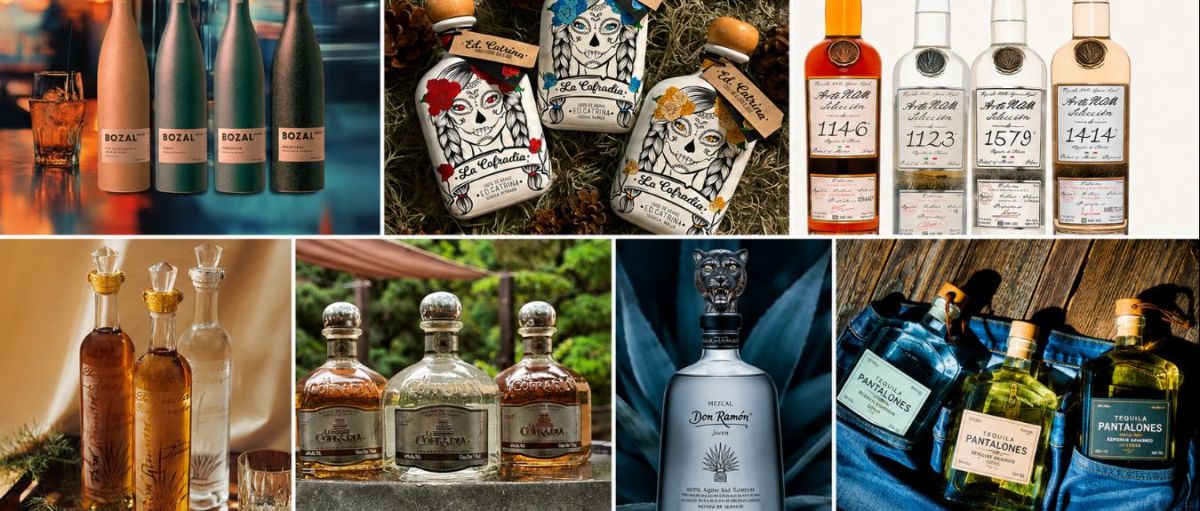
Asia’s tequila and mezcal landscape has changed dramatically over the past decade, moving beyond shots and party culture towards a deeper appreciation of provenance, craftsmanship, and authenticity. Few have witnessed that transformation as closely as Brian Werner, Founder and Managing Director of East West Asia. Drawing on more than two decades of experience in Mexico and an extensive career across hospitality and leisure management, Werner has built a business focused on connecting independent Mexican distilleries with the fast-evolving markets of Southeast Asia and beyond. From education and brand building to distribution strategy and cultural storytelling, his approach goes far beyond simply placing bottles on shelves. In this interview, Werner discusses the evolution of agave spirits in Asia, the opportunities and challenges for independent producers, the importance of education and authenticity, and why the region is becoming increasingly important for tequila, mezcal, and other agave spirits.
My career began in hospitality and leisure management, running hotels, golf resorts, marinas, and yacht clubs across the United States, Mexico, Central America, and Southeast Asia. Those environments taught me the fundamentals that still guide me today: service excellence, anticipating guest needs, and creating memorable experiences. After moving to Asia in 2010, I noticed something immediately: people’s drinking habits and their perception of tequila were worlds apart from what I had known in Mexico. Tequila here was associated with shots, hangovers, and “memorable for the wrong reasons” nights. Mixto tequila dominated the market, and only a handful of brands were even available in Singapore, Malaysia, or Southeast Asia.
Coming from more than 20 years in Mexico, I knew there was a better way. I knew tequila could be refined, elegant, additive-free, and deeply rooted in heritage. So I started small: friends and family would bring me bottles from Mexico, and I’d introduce them at private gatherings and home events. The reaction was always the same: surprise, curiosity, and a realisation that tequila could be something completely different. That was the spark. I saw a clear gap in the market and an opportunity to elevate the category in Southeast Asia. What began as a personal passion for authentic agave spirits evolved naturally into importing, distributing, and brand-building premium and ultra-premium tequila and mezcal across the region, starting in July 2016.
My son Max joined the business and moved from Mexico to Asia in 2022. Today, from our base in Singapore, we service and supply all of Southeast Asia and beyond, and bridge the cultural, traditional, and language gaps and oceans between Mexico and Asia on behalf of our distillery and brand partners. In my own way, it’s a thank you to Mexico for taking care of me and my family for many years, and a legacy business for my children. To this day, we maintain family roots in Mexico.
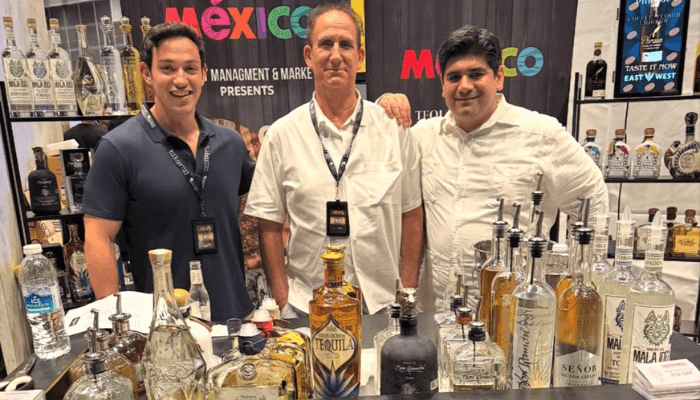
Source: East West Asia
Asian understanding of tequila has evolved from shots and mixto to heritage, authenticity, and craft. Consumers and bartenders now value production methods, additive-free quality, terroir, and distillery history. Mezcal has become an aspirational category. This level of sophistication simply did not exist before East West Asia started pushing education, transparency, and heritage 10 years ago.
We evaluate independent agave producers based on their market understanding, authenticity, operational readiness, and commitment to partnerships. That means: have they visited Southeast Asia; where do they sell now and how do they perform in the market, for example, in the USA and/or Europe; brand ownership; distillery history and production methods; agave origin; warehousing in Europe is a plus; portfolio fit; willingness to invest time and resources; and direct feedback from our bartender, wholesaler, and distribution network on samples provided by the distillery or brand owner.
Most importantly, are they open to listening and learning from our experiences, some of which were costly mistakes and lessons learned along the way?
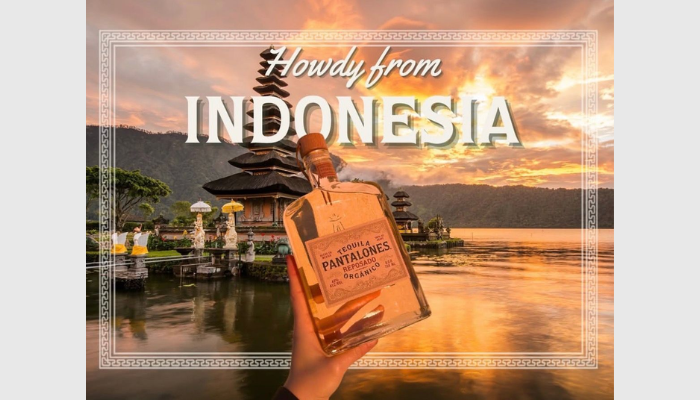
Based on our experience, the Philippines, Indonesia, Singapore (a regional brand hub), Thailand, and Malaysia currently offer some of the strongest opportunities. Singapore and Malaysia are evolving into one ecosystem due to cross-border mobility, shared F&B trends, and Singapore’s halo effect driving increased consumption in Malaysia. Demand is rising because of urban, affluent, globally influenced consumers; cocktail culture and bartender advocacy; tourism and international travel exposure; premiumisation and authenticity storytelling; and the shift from “shots” to a lifestyle spirit. There is also the Netflix factor: Asian consumers are increasingly exposed to Mexico and Latin America through dramas and series that show actors drinking tequila, making tequila culturally aspirational. Outside Southeast Asia, China, Japan, Australia, Hong Kong, and, of course, India should not be overlooked.
Source: East West Asia
For consumers, the biggest misconceptions come from decades of mixto tequila, poor education, and Hollywood-style drinking culture, not from tequila itself. In Asia, we can now also consider the influence of Netflix series from Mexico and Colombia. Some of the most common misconceptions are: “Tequila causes hangovers”, “Tequila is only for shots”, “Tequila must be served with lime and salt”, and “Tequila is only for Margaritas”. These perceptions are often linked to college parties, nightclubs, and fast-paced drinking rituals rather than to an understanding of the spirit itself.
For trade buyers, the misconceptions are deeper, more structural, and often tied to legacy supply chains, old-school category education, and margin expectations. The biggest misconceptions among trade buyers in Asia are that tequila is a low-margin, low-loyalty “party spirit”; that all agave is interchangeable; that consumers will not pay for premium SKUs; and that mezcal is “too smoky” or too niche to sell. Other common assumptions include: “Tequila is a low-margin, high-volume party spirit”, “All tequila tastes the same, just pick the cheapest 100% agave”, “Tequila is only for Margaritas; mezcal is only for smoky cocktails”, “Education is optional, consumers do not care about production stories”, and “Mezcal competes with tequila”
East West Management & Marketing Pte Ltd (East West Asia) places extraordinary importance on the relationships we build with our partner distilleries. We know them personally — their families, their traditions, their land, and the craft that defines their spirits. We consider ourselves Ambassadors of Mexico, responsible for protecting the legacy, history, and cultural identity behind every bottle we bring to Asia. As consumers across Asia become more educated, they increasingly care about authenticity, production methods, and the heritage of the distillery. The story of the jimadores, the master distiller, and the traditions of Jalisco and Oaxaca is no longer a “nice to have” — it is a core part of the value proposition. Our role is to ensure that these stories are told accurately, respectfully, and with the same pride that the producers themselves carry.
To grow and compete with global brands in Asia, especially without large marketing budgets, smaller tequila and mezcal producers, based on our own experience, must be informed, disciplined, and present in the marketplace.
- Know your market and your buyer. Understand who actually purchases agave spirits in each country, what they value, and how they make decisions.
- Know your competition and pricing. Study the category, the price ladder, and how your brand fits into the landscape.
- Spend real time on the ground. Visit bars, restaurants, retail stores, and trade shows across the region. Talk to bartenders, distributors, wholesalers, and consumers. Observe what they drink, pour, and buy — and why. If you are not willing to invest the time, no distributor will.
- Build country-specific social media. Generic global content does not work. Tailor messaging to each market’s culture and consumer behaviour.
- Partner with the right distributor. Choose a distributor who believes in your brand, has already sampled the product with their network, and understands where your - product fits.
- Prioritise education and small activations. Training, tastings, and intimate mixers often outperform expensive bar listings and menu placements.
- Know your true costs. Understand product cost, warehousing and 3PL, A&P, branding costs outside A&P, cost of capital, sales commissions, and all internal expenses. Without this, you cannot price or scale sustainably.
Source: East West Asia
Training is the engine that turns curiosity into long-term category growth. By partnering with the International Tequila Academy, East West Asia delivers structured online and offline certification programmes that educate both consumers and bartenders across Southeast Asia. Education removes myths, builds confidence, and upgrades the trade, and when the trade is elevated, the entire category rises with it. Training creates informed demand, strengthens cultural connection, reduces trial drop-off, and turns first-time drinkers into repeat consumers.
Most importantly, education creates advocates. A trained bartender, knowledgeable consumer, curious chef, or passionate retailer becomes a micro-ambassador who recommends, explains, corrects misconceptions, and introduces new people to the category.
Advocacy compounds. Advocacy scales. Advocacy builds categories.
We always say, give us one hour with a whisky drinker, and we will change their perception of tequila, mezcal, and agave spirits, and they will buy our tequila, mezcal, and agave spirits and share them with their friends, family, and business associates.
Southeast Asia is not a single market. Every country has its own compliance rules, duty and excise tax structures, import processes, quotas, business culture, and drinking habits. A strategy that succeeds in one market often fails in another. East West Asia operates as the bridge across these differences, aligning oceans, cultures, compliance, brand building, education, and sales so tequila and mezcal brands can enter the region correctly and grow sustainably.
But international spirits producers need to understand a hard truth: Southeast Asia requires time, boots on the ground, and real investment.
With 2,500–3,000 tequila brands worldwide and global attention shifting towards Asia, including India, competition is intense. Distilleries that rely solely on social media and digital marketing and/or large MOQs right out of the gate will struggle. Without supporting the local or regional importer through education, activation, brand building, and market development, the learning curve becomes steep, costly, and unforgiving.
Brands that win in Southeast Asia are the ones willing to partner, invest, and build the market together.
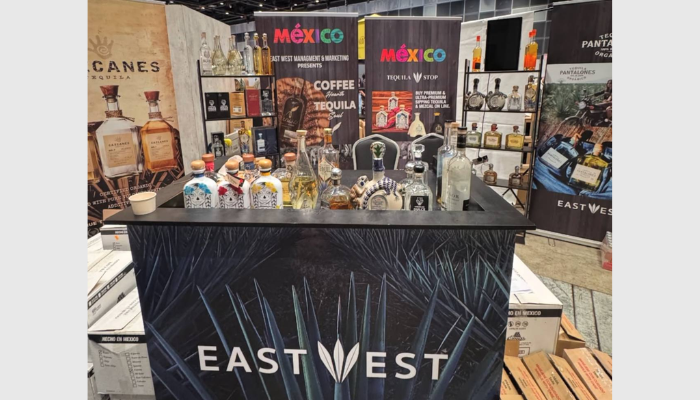
Source: East West Asia
Wow. That’s an interesting and challenging question. For some, it’s reposado tequila; for others, it’s flavoured agave spirits; and for others, it’s cristalino, extra añejo, or additive-free/organic expressions. I think that is the beauty of tequila, mezcal, and agave spirits. They can be very complex and vary by region. In terms of mezcal, I think the non-Espadín varieties such as Tobalá, Cenizo, Salmiana, Cuishe, Tepeztate, Mexicano, and, of course, Ensamble all deserve greater recognition in Asia. Not to mention Bacanora, Sotol, and Raicilla, which have a following in Hong Kong, Japan, and Australia. For mezcal, one must remember that, in Southeast Asia, most countries are currently in the Margarita/Negroni/Paloma cocktail phase. It will take some time for consumers to migrate towards exploring and enjoying mezcal neat.
APAC will remain one of the fastest-growing premium spirits regions globally, with tequila and mezcal leading category expansion. Southeast Asia alone is projected to rise from USD 608M to USD 1.39B by 2034, while total APAC demand represents a USD 3.16B TAM. Within that landscape, East West Asia is targeting a USD 33.4M SOM, with a realistic path to capturing approximately 50% of that share within five years. Growth will be driven by premiumisation at the right price, cultural education, improved supply chains, and rising consumer sophistication. East West Asia’s role will continue to grow, supplying Mexico’s finest agave spirits through expert curation, strategic multi-market distribution, cross-border synergies, brand building, and immersive cultural education, connecting Asian consumers with centuries-old craftsmanship and authenticity.
Concurrently, East West Asia will expand beyond distribution by developing proprietary brands and building new regional synergies across Southeast Asia and beyond, strengthening long-term margin power and enterprise value.
Also Read:
How Kavalan Continues to Redefine Asian Whisky
Inside Ki One: How Bryan Do Built Korea's First Single Malt Whisky From Scratch
What Asia's Buyers and Bartenders Look for in Spirits?
Get your spirits evaluated by leading Asian importers, distributors, retailers and trade buyers. Receive detailed feedback on quality, value and packaging and discover how your brand can improve its market potential in Asia.