
Submission
Deadline
October 16, 2026
Judging
Date
November 12, 2026
Winners
Announcement
November 26, 2026
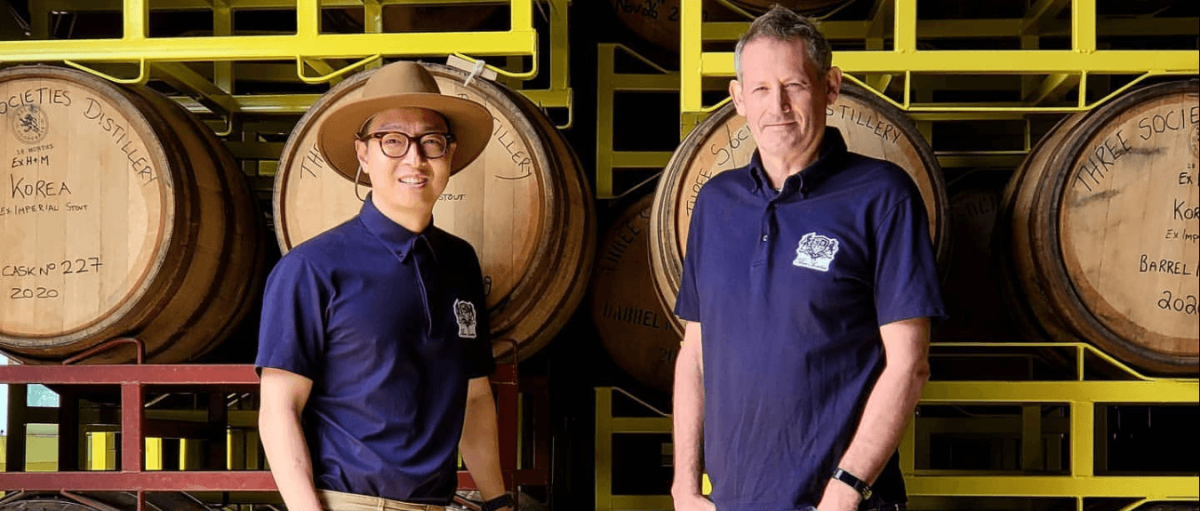
When Bryan Do set out to build Ki One, there was no Korean single malt category to join, no local reference point, no established playbook, nothing to benchmark against. So he and master distiller Andrew Shand built one from the ground up, using Namyangju's extreme mountain climate to their advantage and Korean flavour as their compass, from gochujang-inspired red-pepper casks to green-tea experiments. The result is a distillery turning what could have been disadvantages —youth, unfamiliarity, an unforgiving climate—into a genuine point of difference. Here, Do talks about what makes Ki One's terroir so distinct, how the brand is winning over Western trade buyers one pour at a time, and why he believes patience, not speed, is the real engine behind great whisky.
I learned that the majority shareholder is the most important thing and not to sell too quickly. I relinquished all shares, so I was left to be the “creative director” of the brand and lost control of all sales and marketing power, something I wish I could have kept. Secondly, I learned to buy the land and building because renting is too dangerous when you have equipment that “cannot be moved”. Lastly, it was to build facilities with growth in mind for the future. We have extra space at our current distillery to grow into if we need to expand; however, in my previous brewery, we had zero space left over even after we expanded the facilities as much as possible.
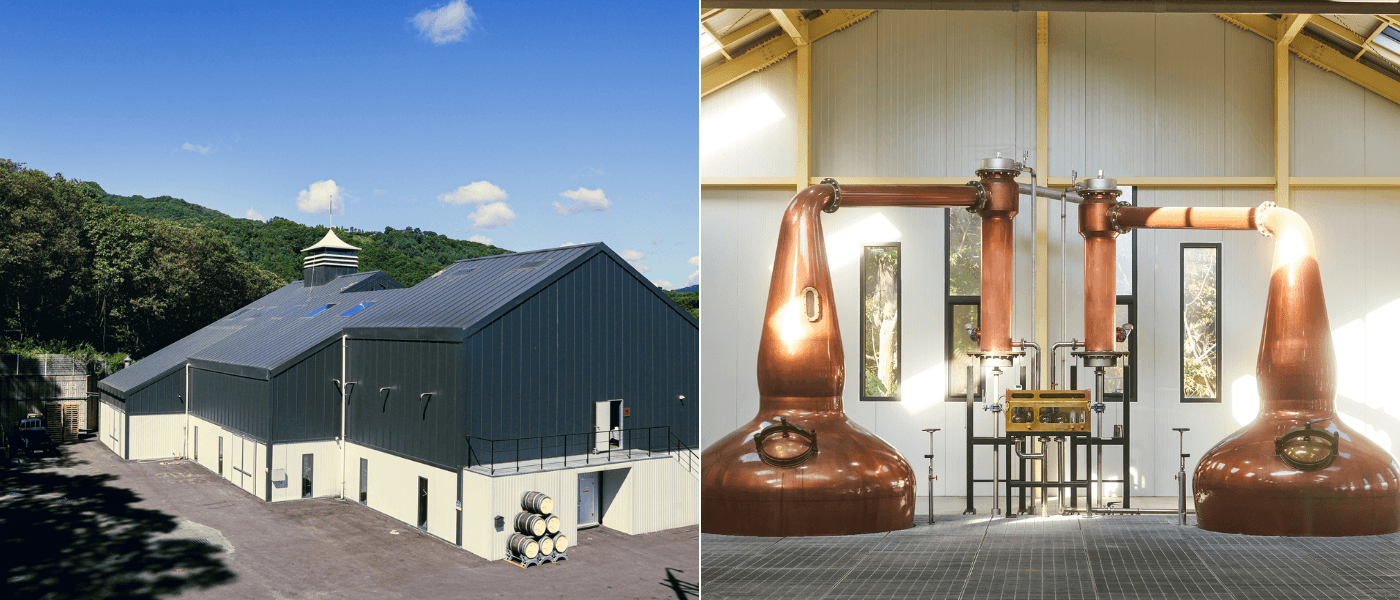
Image: Ki One Distillery and Copper Spirit Stills. Source: Ki One.
The most obvious is that our cost structure is decreased due to the quicker turnaround and less space it takes to age the whisky. We initially thought a 5-6 year age would be good, but quickly found out our 3 year olds is our optimal range (some of our 6-year-olds are mind-blowing too). Another huge benefit is that we can turn around and adapt to trends more quickly than other locations. Traditional distilleries would take 10-12 years to adapt to changing trends, ie. Sherry, peated Sherry blends, etc., but we can do that in a third of the time!
Taxes and outdated regulations have been and still are the most difficult part of the business. We were being taxed on a 2% evaporation rate, as single malt whisky in Scotland has an angel's share of approximately 2%. We have to remind people that the Earth is round and that different terroirs & climates cause higher or lower evaporation rates! Korea has a higher evaporation rate of about 5%, so we wanted to make sure that is accounted for during tax season. Besides regulations, taxes are by far the most important unresolved obstacle. The Korean alcohol tax system is one of the few remaining OECD countries that has an ad valorem tax rather than the normal tax per unit/alcohol percentage. This means we are being taxed for our sales prices and everything, including sales activities, marketing, and the gas our sales team puts in their cars for a sales call. This has to be resolved for the Korean whisky industry to flourish, so we are working with one of the nation's top law firms to change this system under the Korea Whisky Association banner.
We just try to do everything that is “Korean” from chili to green tea. It is what comes to our heads or what the production team wants to play with, so it’s more of a spontaneous idea rather than ticking boxes of what will sell or not. We actually haven’t had any major failures except our tea collaboration with Osulluc (Korea’s largest tea brand). I wouldn’t call it a failure, but our barrels that they aged with tea became so dry and brittle that it was hard to salvage them when we got them back.
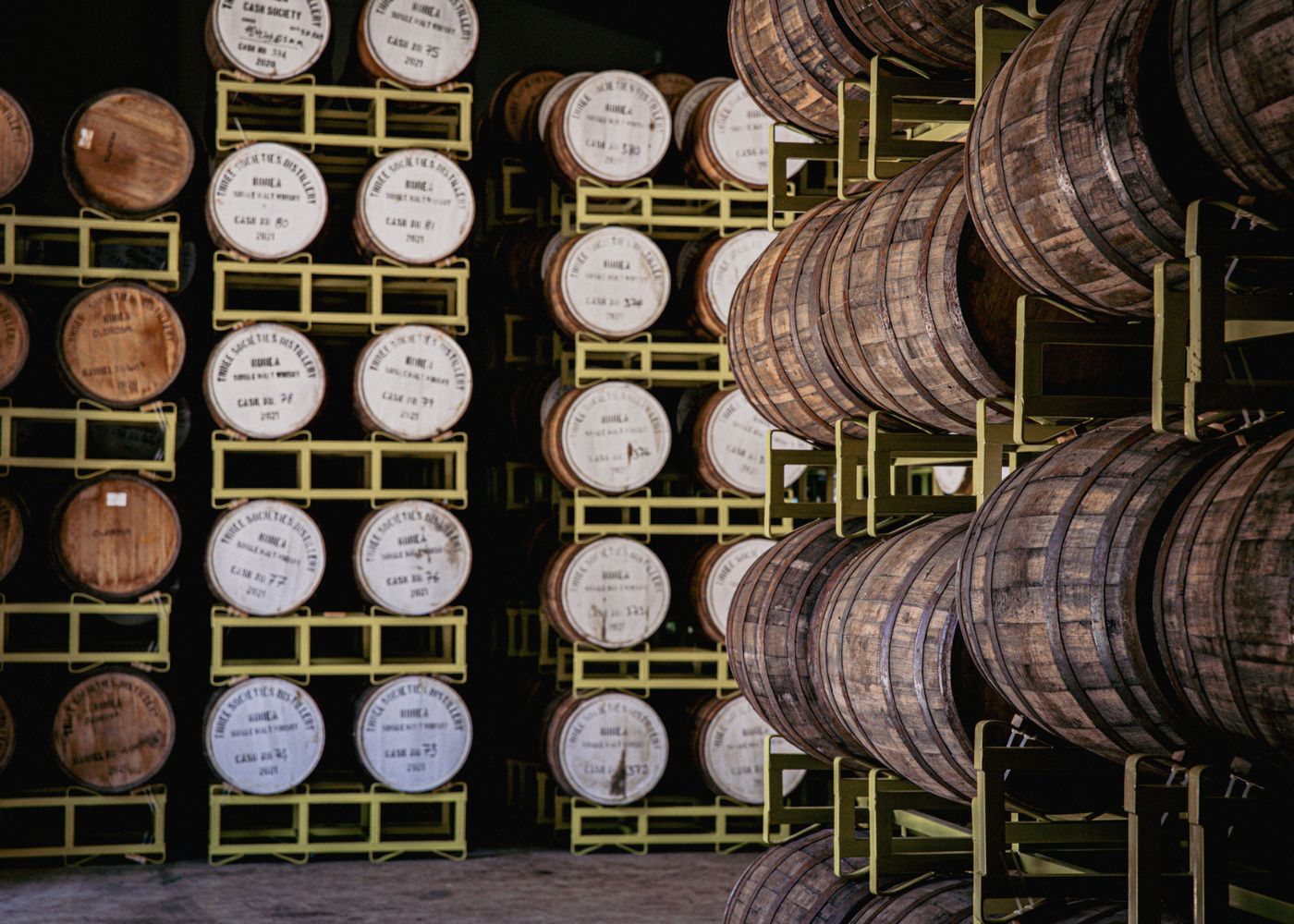
Image: Ki One Warehouse.
We will probably change our slogan to “be surprised” because everyone is surprised after drinking our whisky. First, because they didn’t know Korea makes whisky, and second, because it actually tastes delicious. Because we are so young and new, explaining our brand is usually the hardest part, but after a sip, we usually win them over.
The most important thing is to maintain our quality. We will not compromise on the quality of liquid for anything. In terms of retail in Korea, the quality of our liquid creates repeat buyers because it gives them confidence that our liquid will taste good and be consistent. This is the most important for repeat consumption.
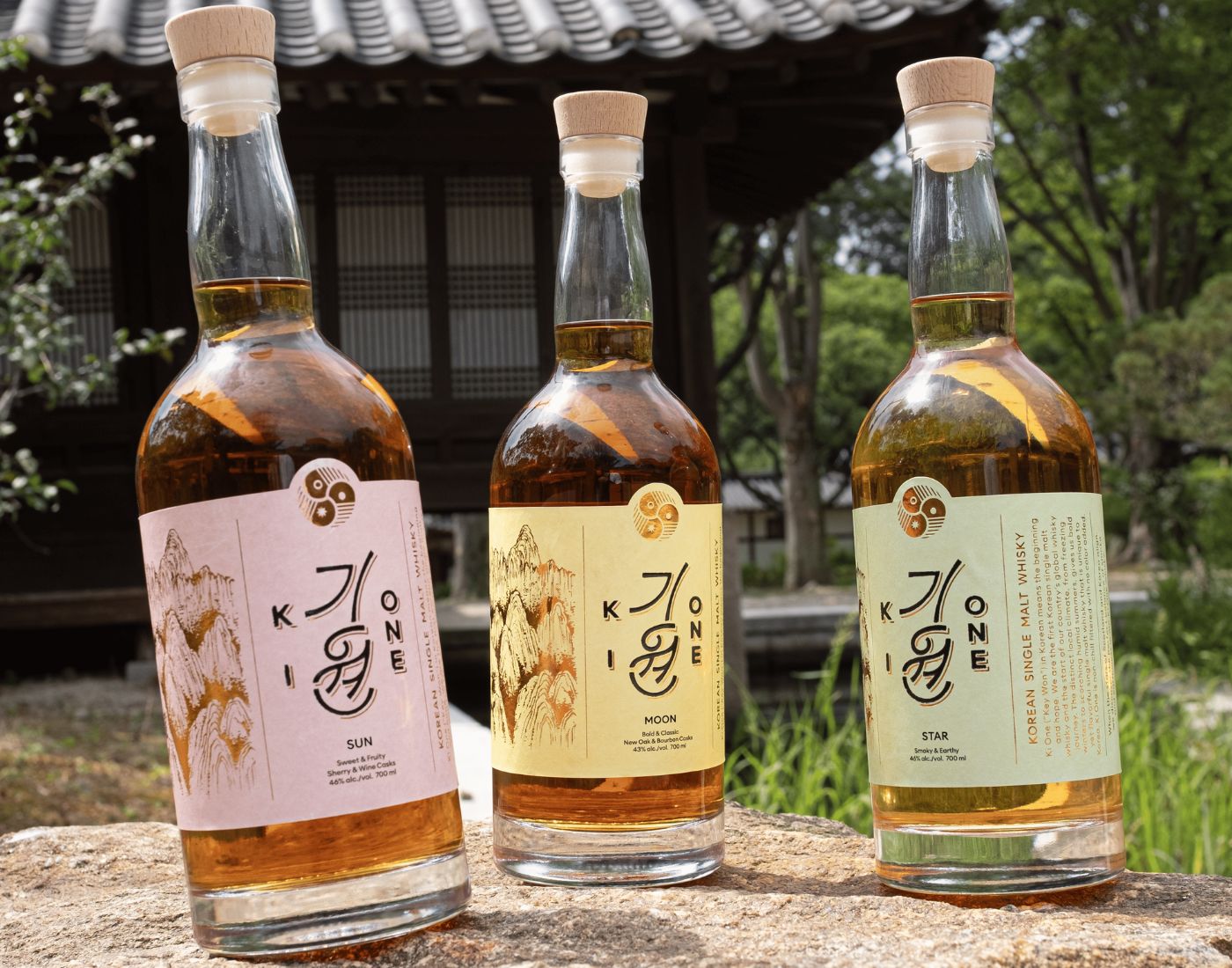
Image: Ki One - Sun, Moon and Star Single Malt Whisky.
We were the first to start barrel aging beer in Korea, and it took a year to age, so I know the virtues of patience. Whisky is much longer, but I look forward to the sweet reward, so the adjustment wasn’t that difficult in that aspect. The hardest was the MONEY. The amount of money it takes to run this business compared to the beer business is exponentially higher, so I have had to learn how to manage my time between investors/new investments and operational aspects of running a distillery.
From talking to Do, what comes across is a founder building with real intention, protecting quality above all else, pushing Korean flavour into genuinely new territory, and using Ki One's youth and climate as an advantage rather than an apology. It's a distillery still writing the rules for what Korean whisky can be, led by someone clearly enjoying every part of that process. As Do puts it, the goal now is simple: make people try it, and let the whisky do the rest.
Header Image: Founder Bryan Do and Master Distiller Andrew Shand.
In conversation with Malvika Patel, Editor and VP, Beverage Trade Network
Also Read:
The Next Chapter for Oasis Group Begins with AAGHAAZ Single Malt
The Korean Alcohol Trends Everyone Will Be Talking About
Asia Spirits Ratings Introduces Greater Judge Transparency and Detailed Feedback for Every Entry
Get your spirits evaluated by leading Asian importers, distributors, retailers and trade buyers. Receive detailed feedback on quality, value and packaging and discover how your brand can improve its market potential in Asia.