
Submission
Deadline
October 16, 2026
Judging
Date
November 12, 2026
Winners
Announcement
November 26, 2026

A great spirit may begin with what is inside the bottle, but succeeding in today’s market requires much more than liquid quality alone.
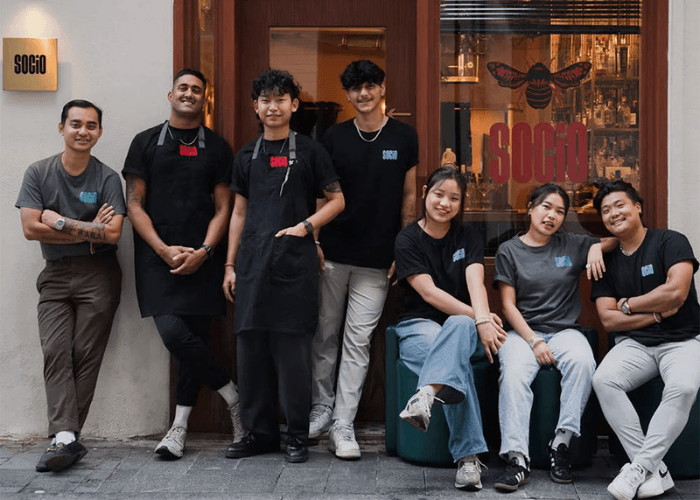
For Amir Javaid, Bar Owner of Socio Hong Kong, the strongest spirits bring together quality, purpose, value, authenticity, and a clear understanding of the market they are trying to reach.
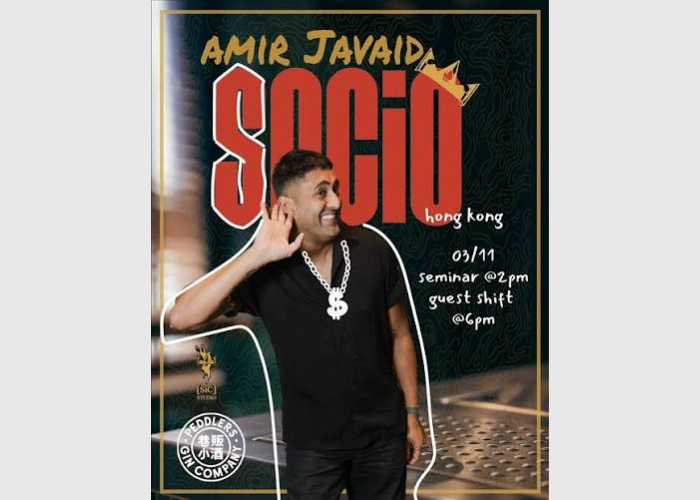
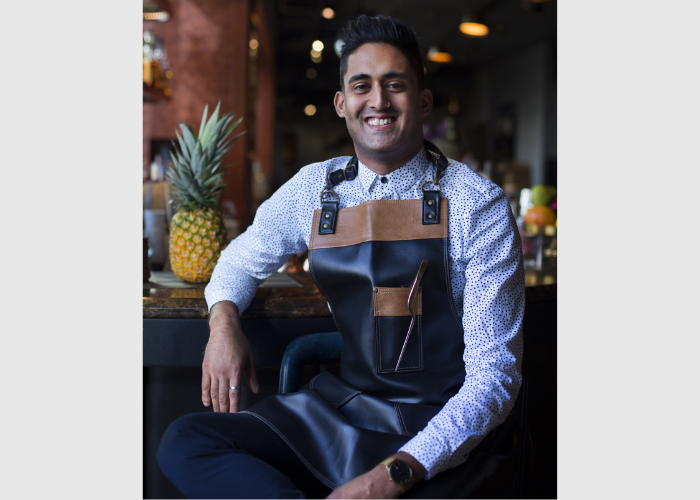
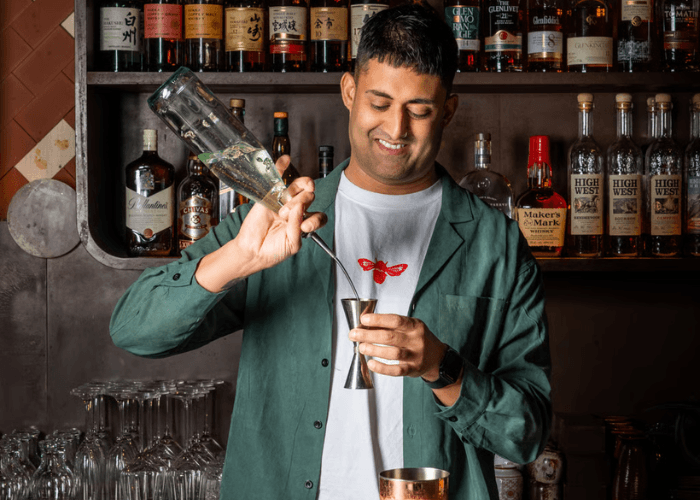
With more than 15 years of international hospitality experience spanning the UK, Thailand and Hong Kong, Amir has worked across bars, brand representation, spirits sourcing, education, sustainability and beverage portfolio development.
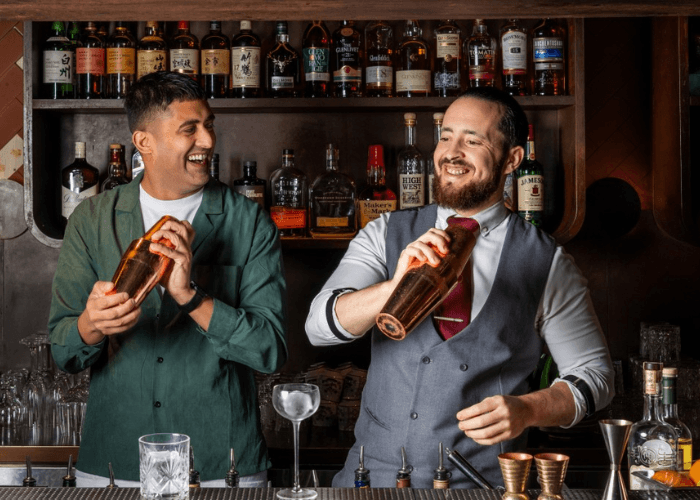
His career has included ambassadorial work with Martin Miller’s Gin and Manchester Three Rivers, alongside collaborations with brands including Tanqueray, Beefeater, Opihr and No. 3 Gin. In Hong Kong, he worked alongside Antonio Lai as Bar Manager at Michelin-starred VEA, became Hong Kong Champion for Cointreau in 2018 and later managed John Anthony, then Hong Kong’s largest gin bar.
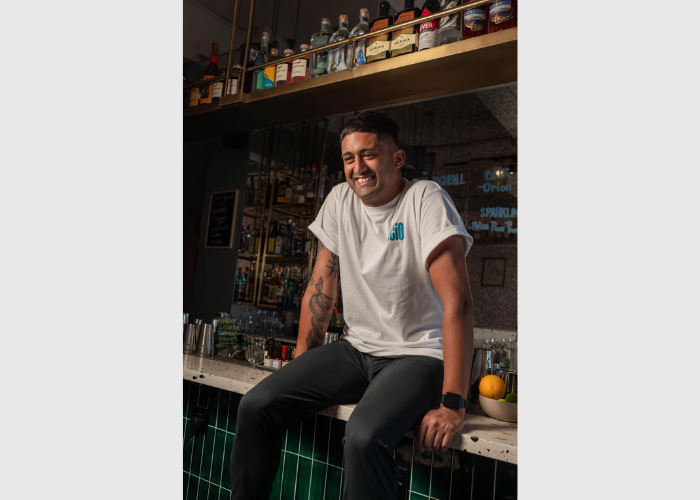
His work has also extended into spirits sourcing and distribution. As Head of Spirits at North East, Amir worked on sourcing sustainable spirits, conducting masterclasses and training, and developing sustainable practices and cocktail programs. He subsequently moved to Jebsen to work with its spirits portfolio.
An experienced spirits judge, educator and all-round spirits enthusiast, Amir brings a perspective that combines the realities of the bar with an understanding of brands, portfolios and the wider Asian market.
As a judge at the Asia Spirits Ratings, that combination is particularly relevant: the competition looks beyond technical quality to consider whether a spirit has the value, positioning and commercial potential to perform in the marketplace.
We spoke with Amir about changing drinking cultures across Asia, what bartenders really want from spirits brands, sustainability, gin, Hong Kong’s evolving bar scene and what international producers need to understand before entering Asian markets.
Working across those three markets has taught me that spirits are never just about liquid in a glass — they’re about culture, context and occasion.
In the UK, especially coming from Manchester, I was exposed to a very mature drinking culture. Guests often had strong category awareness — gin, whisky, rum, vodka — and bars had to work hard to differentiate themselves through service, serves and storytelling. It was also a market where trends could move quickly, but consumers still cared about value and familiarity.
Thailand gave me a completely different perspective. Drinking there is much more social and hospitality-led. Flavour, refreshment and approachability are incredibly important. You also become very aware of climate — what people want to drink in a hot, humid environment is very different from what they might order on a cold night in the UK. Light, bright, aromatic and long drinks make a lot of sense.
Hong Kong sits somewhere unique. It’s international, fast-moving and very competitive. Consumers here are exposed to everything — luxury spirits, Japanese whisky, craft gin, baijiu, agave, natural wine, low-intervention products, you name it. But at the same time, Hong Kong guests are very discerning. They travel, they read, they follow bar rankings, and they expect a high level of execution.
So those markets together have shaped my view that you can’t apply one global drinking strategy everywhere. You have to understand local habits, climate, spending behaviour, food culture and how adventurous consumers are before you decide how to present a spirit.
For me, a strong spirits brand has clarity. It knows what it is, why it exists, who it is for and how it should be served.
A lot of brands have good liquid, but that’s not enough anymore. Bartenders are approached by brands constantly, so if your story is unclear, if your serve strategy is weak, or if your pricing doesn’t make sense, it becomes very difficult to build loyalty.
The brands that connect best with bartenders are the ones that respect the trade. They don’t just come in asking for menu listings or visibility. They invest time in education, they listen to feedback, they understand the realities of running a bar, and they make themselves useful.
For consumers, it’s about emotional connection and confidence. People need to understand why they should choose your bottle over another one. That might be heritage, flavour, sustainability, provenance, design, cultural relevance or the bartender’s recommendation — but it has to be believable.
The brands that struggle are usually the ones trying to be everything to everyone. They may have nice packaging and a marketing budget, but they don’t have a clear point of view. In spirits, authenticity matters. Bartenders can spot very quickly when a brand story is forced.
Gin has changed massively. When I first started working with gin brands, the conversation was often around London Dry, tonic pairings and classic cocktails. Then the craft gin boom happened, and suddenly everyone was talking about botanicals, local ingredients, distillation methods and flavour profiles.
In Asia, gin has had an interesting journey. For a long time, it was seen as a very Western category, but that has changed. Consumers in Asia are now much more open to gin because it’s versatile, aromatic and easy to introduce through highballs, G&Ts and cocktails. The botanical story also works very well here because Asian cuisines are already so connected to herbs, spices, citrus, tea and floral flavours.
The danger is that gin has become overcrowded. A lot of brands entered the market with a “local botanical” story, but not all of them had real depth behind it. Innovation now has to go beyond just adding one unusual ingredient.
I think the opportunity is in regional identity and drinking occasion. Asian gins can do much more than copy European styles. They can reflect local terroir, local food pairings, tea culture, spice markets, tropical fruit, coastal botanicals, and indigenous ingredients. There is also space for lower-ABV gin-based products, better ready-to-drink serves, and more sustainable production methods.
For me, the most exciting gins are the ones that have a reason to exist — not just another pretty bottle with botanicals on the label.
Taste and quality are the starting point, but they’re not the whole decision.
The first thing I look at is purpose. Where does this spirit sit in the programme? Is it for cocktails, neat serves, flights, food pairing, education, or a specific guest experience? A great spirit still needs a role.
Then I look at value. That doesn’t mean cheap — it means whether the price makes sense for the bar, the guest and the occasion. If a bottle is expensive, there needs to be a reason the guest will understand.
I also consider story and identity. Can the team talk about it confidently? Does it have a point of difference? Does it connect to a region, producer, ingredient or tradition in a meaningful way?
Consistency and availability are also important. Bars need reliability. It’s difficult to build a menu around a product if supply is uncertain or pricing keeps changing.
Then there’s sustainability and ethics. How is it produced? How far has it travelled? What is the packaging like? Is the brand doing anything credible around waste, sourcing, energy or community?
Finally, I think about education and support. A good supplier relationship can make a huge difference. If a brand helps train the team, supports activations and understands the bar’s direction, that adds real value.
It’s becoming much more important, but I think we have to be honest about where the industry is.
A few years ago, sustainability was often treated as a nice extra — something you could mention in a menu note or during a competition. Now, more bars and buyers are asking serious questions. Where is this product made? What packaging does it use? How is it shipped? What happens to waste? Are ingredients sourced responsibly?
That said, sustainability still has to work commercially. Bars operate on tight margins. If a sustainable product is too expensive, inconsistent or difficult to use, it becomes harder to adopt. So the strongest sustainable brands are the ones that make sustainability practical, not just aspirational.
For cocktail programmes, sustainability can actually drive creativity. It makes you think about seasonality, waste reduction, local sourcing, batching, prep methods and energy use. It forces you to be more intentional.
But I’m also cautious about greenwashing. The trade is becoming more educated, and bartenders can tell when sustainability is just a marketing claim. Brands need transparency. They don’t need to be perfect, but they need to be honest about what they are doing and what they are improving.
In the future, I think sustainability will become less of a trend and more of a basic expectation.
The biggest misunderstanding is thinking that education is a one-way presentation.
Bartenders don’t want to just sit through a brand deck and be told why a product is amazing. They want relevance. They want to understand how the spirit works in drinks, how to explain it to guests, how it compares to other products, and why it deserves space on the back bar.
Producers sometimes focus too much on heritage or production details without connecting that information to the bartender’s daily reality. Of course, distillation, ageing, botanicals and provenance matter — but the bartender also needs practical tools.
Another mistake is only engaging with decision-makers. Building a relationship with a bar means engaging the whole team, including junior bartenders. They are often the ones actually recommending drinks to guests.
Consistency matters too. A one-off activation is not a relationship. The best brands keep showing up, support the team, listen to feedback and create opportunities for bartenders to grow.
Bartenders are naturally curious, but they’re also busy. If you respect their time and give them something useful, they will remember you.
Hong Kong is always evolving. One thing I’m seeing is a stronger interest in regional Asian spirits and ingredients. Bartenders are looking beyond the usual international categories and exploring things like baijiu, shochu, soju, arak, Asian fruit brandies, rice spirits and locally produced gin.
There is also more interest in lighter drinking. Not necessarily no-alcohol only, but lower-ABV cocktails, highballs, spritz-style drinks and more sessionable serves. Hong Kong guests still enjoy premium experiences, but they don’t always want something heavy.
Agave spirits have definitely gained momentum as well. Tequila and mezcal are much better understood than they were a few years ago, and consumers are becoming more curious about production methods, regions and flavour profiles.
Food-led drinking is another big area. In Hong Kong, F&B is deeply connected, so bars that understand pairing, texture, umami, savoury flavours and dining occasions have a strong advantage.
I also think guests are becoming more selective. They don’t just want luxury for the sake of luxury. They want a story, a sense of place, good hospitality and drinks that feel personal.
When judging, I’m looking for balance, character and purpose.
Technical quality is essential. The spirit needs to be clean, well-made, and structurally sound. If there are faults, harshness or imbalance, that becomes obvious very quickly.
But beyond technical quality, I want to see identity. What makes this spirit different? Does it express its raw material, region, ageing, botanicals, or production method clearly? Does it have a personality?
I also think about drinkability. Some spirits are impressive for one sip but difficult to return to. A great spirit should invite you back.
For competitions like Asia Spirits Ratings, commercial relevance also matters. Packaging, price, positioning, and market suitability are part of the bigger picture. A spirit might be excellent, but if the price or branding doesn’t match the liquid, it may struggle.
Ultimately, the spirits that stand out are the ones where everything feels aligned — liquid, story, packaging, value and audience.
My advice would be: don’t treat Asia as one market.
Hong Kong, Singapore, Thailand, Japan, Korea, mainland China, Vietnam and the Philippines all have different drinking cultures, regulations, price sensitivities and consumer behaviours. What works in London or New York won’t automatically work here.
For Hong Kong specifically, you need to understand how competitive the market is. There are a lot of brands fighting for attention, and space is limited. You need a clear reason for bartenders and consumers to care.
Invest in education, but make it relevant. Show how the spirit works in local drinking occasions. Think about food pairing, highballs, signature serves, gifting, luxury, nightlife and cocktail culture.
Choose the right partners. Distribution is critical, but so is brand building. You need people who understand the trade, not just logistics.
Be patient. Too many brands come in expecting quick wins. Real relationships take time. Spend time in the market, listen to bartenders, visit bars, understand menus and adapt your approach.
And most importantly, bring authenticity. Asian consumers and bartenders are sophisticated. They don’t need to be “educated” in a patronising way — they need to be engaged with respectfully. If your liquid is good, your story is honest and your strategy is thoughtful, there is huge opportunity here.
Amir’s perspective points to a fundamental challenge for spirits brands entering Asia: there is no single formula for success across the region.
A product that performs well in London, New York or another established spirits market cannot simply be introduced into Hong Kong, Singapore, Thailand or mainland China using the same positioning and expect identical results.
Understanding drinking occasions, pricing, food culture, climate, local flavour preferences and the realities of the on-premise trade becomes essential.
His comments also highlight an important distinction between having a good product and building a successful brand. Quality gets a spirit into the conversation, but bartenders and buyers also need to understand where it fits, why consumers should care and whether it makes commercial sense for their program.
That is particularly relevant in Hong Kong, where international brands compete alongside increasingly sophisticated Asian spirits and locally influenced products. As Amir observes, consumers are exploring everything from agave spirits and lower-ABV serves to baijiu, shochu, rice spirits and locally produced gin.
For international producers, differentiation therefore needs to go deeper than packaging or an interesting ingredient. Liquid, story, positioning, price and audience need to work together.
This combination of quality and commercial relevance sits at the heart of the Asia Spirits Ratings.
The competition is designed to recognize spirits that not only perform strongly in the glass but also demonstrate the characteristics needed to succeed with buyers, bartenders, importers, distributors and consumers across Asian markets.
Entries are evaluated on key commercial factors including:
- Quality
- Value
- Packaging
For producers, this means a spirit is considered through a broader market lens rather than technical tasting alone.
Amir’s approach to judging reflects this clearly. He looks for technical execution, but also balance, character, identity, drinkability and purpose. Importantly, he considers whether the positioning, packaging and value proposition make sense alongside the liquid.
For spirits producers looking toward Hong Kong and the wider Asian market, that perspective offers an important takeaway: make a great spirit, but know exactly why it belongs in the market and who should choose it.
A medal at the Asia Spirits Ratings provides independent industry validation while giving producers an additional credential to communicate their product’s quality and commercial potential to importers, distributors, retailers, bartenders and hospitality buyers.
As the competition approaches, judges such as Amir Javaid will be looking for spirits where everything comes together — liquid, story, packaging, value and audience.
This interview was conducted by Ankita Okate, Chief Growth Officer & Head of Events at Asia Spirits Ratings, as part of an ongoing interview series featuring leading spirits judges, buyers, bartenders, importers, distributors and beverage professionals.
Also Read:
Nicola Mangiacapra: What Spirits Brands Need to Know About Asia’s Premium Hospitality Market
Marco Maiorano on Luxury Hospitality, Premium Spirits, & Building Successful Spirits Brands in Asia
Get your spirits evaluated by leading Asian importers, distributors, retailers and trade buyers. Receive detailed feedback on quality, value and packaging and discover how your brand can improve its market potential in Asia.