
Submission
Deadline
October 16, 2026
Judging
Date
November 12, 2026
Winners
Announcement
November 26, 2026
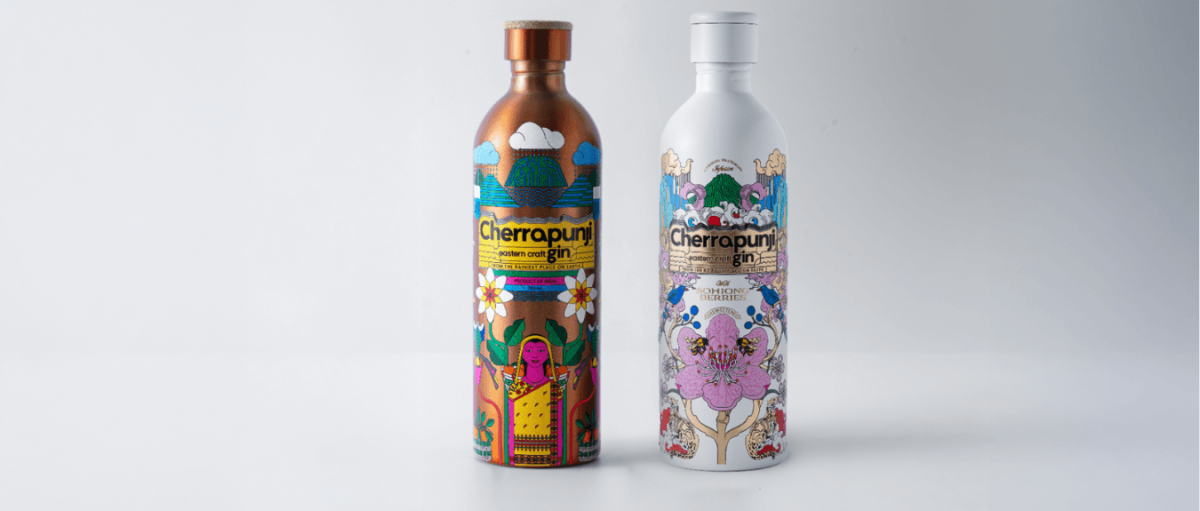
Asia’s premium spirits landscape is being reshaped by a new generation of entrepreneurs who are looking beyond established categories and conventional brand-building strategies. Mayukh Hazarika is part of that movement, bringing together entrepreneurship, creative thinking, sustainability, and a strong sense of regional identity to build beverages with a distinctive story. As founder of Raincheck Earth Co. and the force behind Cherrapunji Eastern Craft Gin, Hazarika draws inspiration from Northeast India’s extraordinary landscape and botanical diversity while challenging traditional ideas about how Indian craft spirits can be produced, packaged, and positioned.
In this exclusive conversation with Asia Spirits Ratings, Hazarika discusses the journey behind building a modern spirits brand, the importance of packaging and storytelling, and what emerging producers need to succeed in increasingly competitive markets. He also shares his perspective on changing consumer preferences, sustainability, opportunities for Asian spirits, and the personal experiences that continue to influence his journey as an entrepreneur and brand builder.

Image: Mayukh Hazarika
The funny thing is, I had never worked in the spirits or alcohol industry. The idea came during COVID, when I'd gone back home to Shillong and spent time there. What struck me was that the place had immense potential to become a brand. At that point, it wasn't necessarily going to be a beverage brand at all. The starting point was the place itself, and the conviction that it could be turned into a brand.
But whatever I was going to create, the vision from day one was to take it global. Nobody needed to convince me the Northeast could compete on a global stage. The place has a magnetism to it, and I understood that potential from the start.
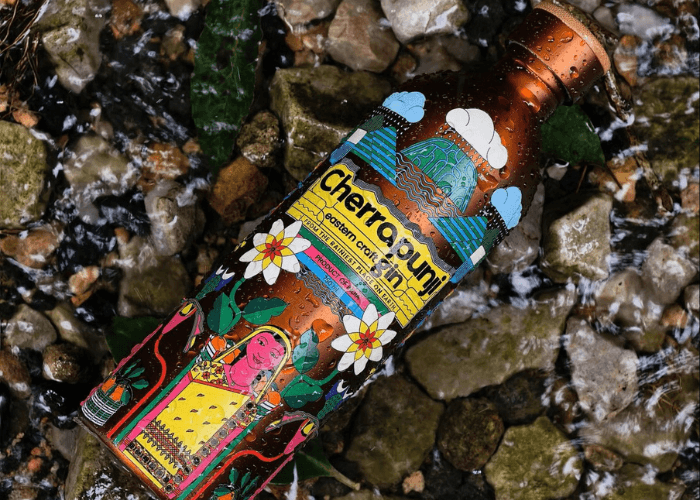
Trade buyers understand the value of a good story, and so do consumers. With a premium beverage, the story matters even more. But it has to be truthfully told, with actual work behind it. In our case, the botanicals we process ourselves, the rainwater we genuinely harvest, the steel bottle, the jigger cap. It cannot just be a story. There has to be substance holding it up.
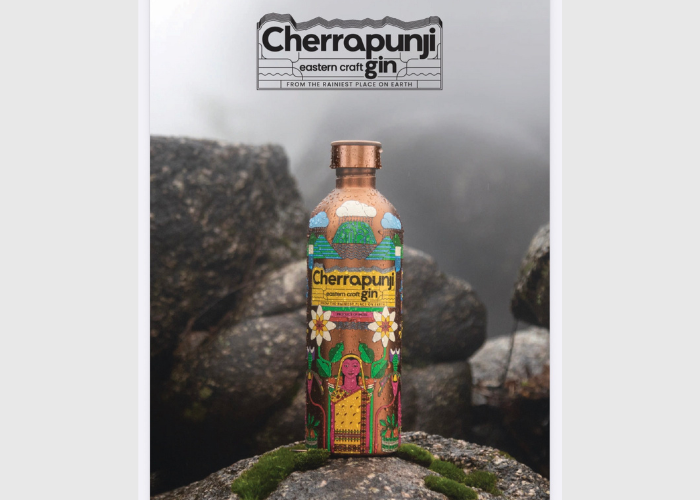
Quality, value, and packaging are exceptional foundations for judging a spirit. As a brand owner, you need all three, with a compelling brand story sitting on top of them. And if you look closely, each one is a medium of communication. The quality communicates itself, the value communicates itself, the packaging communicates itself. Long before anyone reads a word of your marketing, those three have already spoken. That's what makes it a great framework for judging wines and spirits.
It comes down to accountability, and brands have to hold themselves to it, because nobody else will do it for them. If you're playing a short game, that's a different story. But if you're playing the long game, everything you do has to be honest and authentic, because that's the only thing that carries a brand over the long term. Credibility is lost the moment anything you've told the world turns out not to be true, or you're caught misrepresenting what you do. Heritage gets you noticed, but only truth keeps you trusted.
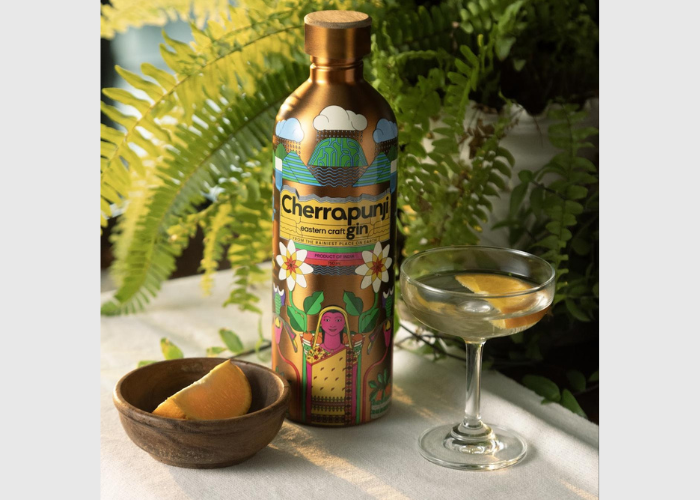
For the conscious consumer, sustainability is already a compelling factor in the buying decision. Of course, there are consumers for whom it doesn't matter, but over the next decade it will only become more central.
More importantly, I believe it will become table stakes. Rather than treating sustainability as a selling point, brands should treat it as hygiene, something you simply must have. The moment every serious brand does it, nobody gets credit for doing it, and that's exactly how it should be.
Asian consumers behave differently from the US or European markets, and the region has extraordinary richness in ingredients. Two trends stand out for me.
First, indigenous drinks are going mainstream. Sake and soju are already becoming hugely popular, and drinks like feni from Goa and mahua from India are being explored and loved. There's a lot of play left there.
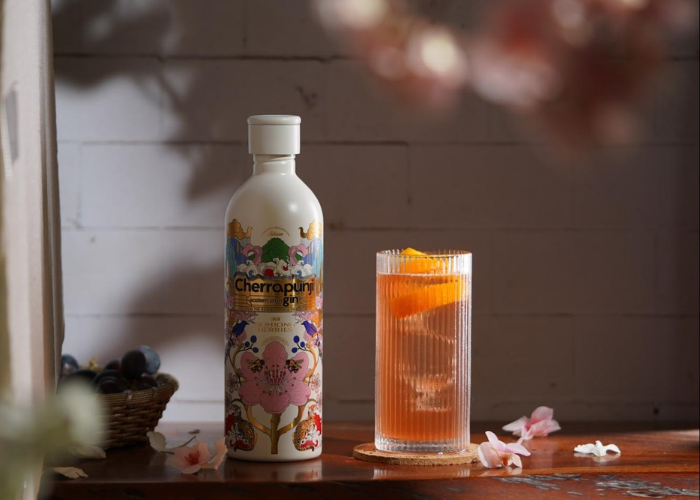
Second, innovation within the established categories: gin, whisky, brandy, vodka. More craft brands will emerge with their own take, doing quality work with regional ingredients and a compelling story.
The main differentiator is intent. A lot of export today happens because an importer reaches out to a brand, the brand ships its bottles, and it becomes a transaction. Export is a purely profit-driven exercise in which the brand doesn't care what happens beyond the shipment.
We approach it differently. If we're present in a market, we've decided to invest in it, whether that's with manpower, with strategy, or with marketing cover. That's the difference between playing the longer game and it being just one or two consignments.
Brands that struggle abroad usually ship bottles. Brands that succeed ship commitment.
A marketing background is a real advantage, because the foundation of marketing is understanding the consumer. The consumer sits at the centre, and when you build a brand from that starting point, the approach is very different.
Plenty of brand owners come to this industry from other directions. I have friends who are distillers with access to large agricultural produce, and they've found ways of turning excess produce into spirits. That's a valid approach, but the starting point and the desired outcome are completely different. They start with supply. I start with the consumer. For me, the outcome was always a spirit for the global stage, so it was marketing first, brand first, from day one.
Whisky remains the undisputed leader across Asia, and I don't see that changing. But the fastest growth is coming from newer entrants, tequila chief among them.
The most interesting development, though, is what I expect over the next five years: real disruption across Asia from distillers and craft brands using local ingredients to make their spirits. That's where the surprises will come from.
Honestly, at the end of a long day with friends, my go-to is a beer. It's something I really enjoy, and it almost brings closure to the day.
Mayukh Hazarika’s Cherrapunji Gin journey demonstrates how authentic storytelling, regional identity, sustainability, and innovation can help Indian craft spirits reach global markets. As Asian consumers embrace local ingredients and distinctive brands, Cherrapunji Gin reflects the growing potential of Northeast India and the wider Asian craft spirits movement.
Also Read:
How Kavalan Continues to Redefine Asian Whisky
Inside Asia’s Agave Boom With East West Asia And Brian Werner
Inside Ki One: How Bryan Do Built Korea's First Single Malt Whisky From Scratch
Get your spirits evaluated by leading Asian importers, distributors, retailers and trade buyers. Receive detailed feedback on quality, value and packaging and discover how your brand can improve its market potential in Asia.