
Submission
Deadline
October 16, 2026
Judging
Date
November 12, 2026
Winners
Announcement
November 26, 2026
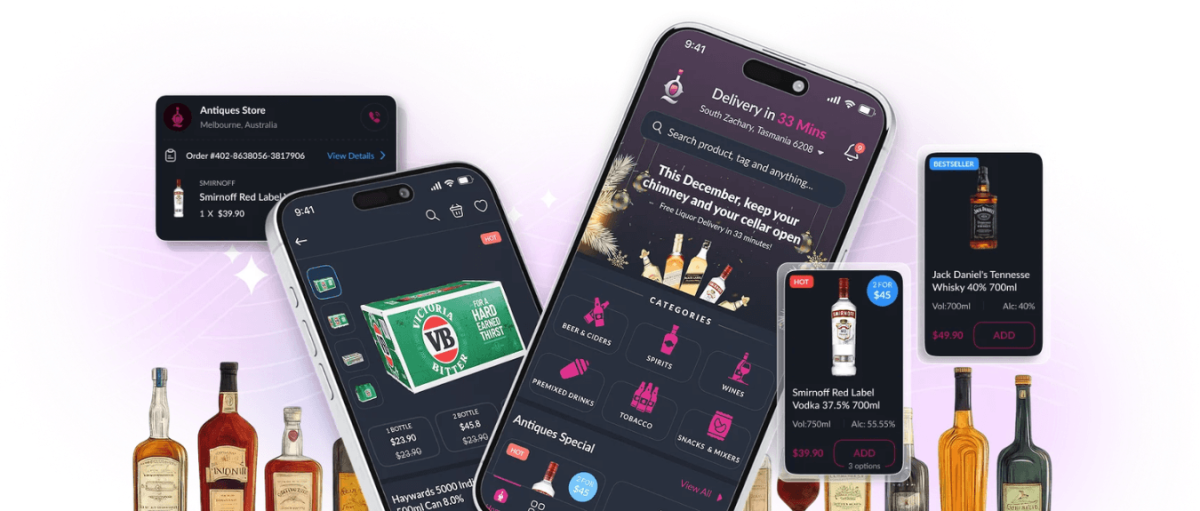
Asia offers enormous opportunities for international wine, beer, and spirits brands, but entering a market and building a successful business there are two very different challenges. Securing an importer, agreeing on pricing, and getting products onto shelves may establish distribution, yet none of these guarantees that consumers will recognise the brand, understand its value, or choose it over established competitors. Increasingly, the answer lies in the digital ecosystems that shape everyday life across Asia. From messaging and social content to online marketplaces, payments and delivery services, platforms such as WeChat, LINE, Rakuten and Grab influence how consumers discover products and interact with retailers. For drinks brands, these platforms offer an opportunity to strengthen visibility while helping local partners convert consumer interest into measurable sales. However, Asia is not one digital market. Each country has its own consumer habits, dominant platforms, regulatory requirements, and commercial opportunities. Understanding these differences is essential for producers seeking to build sustainable demand rather than simply increase their online presence.
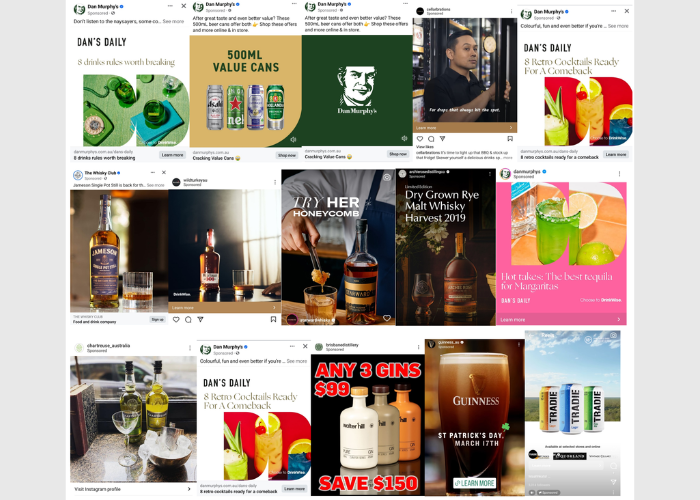
Source: Michael West Media
For an international drinks brand, an importer provides access to the market, but consumer demand determines whether that relationship grows. A strong digital presence gives distributors and retailers the content, product information, and customer interest they need to move stock, generate repeat purchases, and build confidence in the brand. This is particularly important in categories where consumers often need additional guidance before buying. Wine buyers may want to understand grape varieties, food pairings and price differences, while beer consumers may be interested in brewing styles, flavour profiles and packaging formats. Spirits buyers may look for information about provenance, craftsmanship, maturation and serving occasions.
Digital platforms help communicate these details in familiar local languages and formats, bringing the brand story closer to the point of purchase. They also provide valuable feedback through customer enquiries, product reviews and sales performance, allowing producers and their partners to identify which products, messages and price points resonate most effectively. The objective is not simply to collect followers or generate impressions. It is to create an effective connection between brand discovery, trusted local distribution and repeat business, while respecting each market's alcohol regulations.
The following platforms provide a practical starting point for brands developing their digital strategies across Asia. Some function primarily as marketplaces, while others are messaging ecosystems or delivery platforms, meaning their commercial roles and alcohol-related permissions differ considerably.
| Country | Priority platform | Recommended role for drinks brands |
|---|---|---|
| China | WeChat / Weixin | Brand education and customer relationships |
| Japan | Rakuten Ichiba | Marketplace visibility and retail conversion |
| South Korea | KakaoTalk | Customer communication and stockist connections |
| Thailand | LINE | Local communication and compliant engagement |
| Vietnam | Zalo | Customer service and eligible brand information |
| Singapore | Grab / GrabMart | Retail availability and convenient delivery |
| Malaysia | Shopee | Marketplace access through approved sellers |
| Indonesia | Blibli | Product discovery through local retailers |
| Philippines | Lazada | Marketplace visibility and authorised retail |
| Taiwan | LINE | Brand relationships and physical retail discovery |
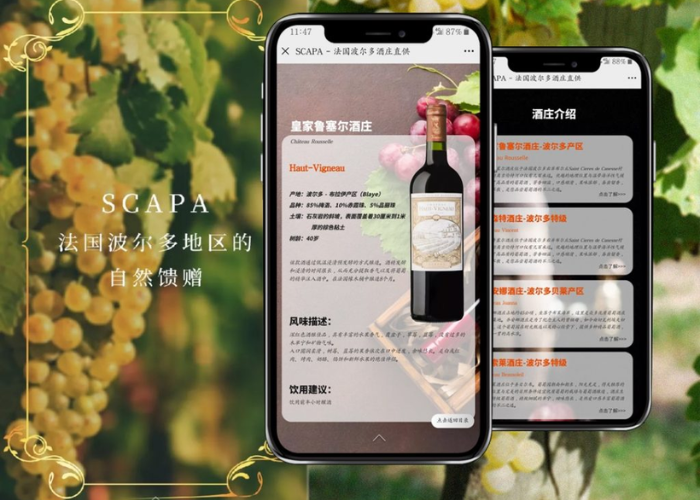
Source: Marketing China
China's Weixin ecosystem offers brands an integrated environment for content, search, customer communication and connections to local commerce. For wine, beer and spirits producers, its greatest value is the ability to develop an ongoing relationship with consumers rather than relying entirely on individual retail transactions. Working with a local importer, brands can create Chinese-language content covering product origins, tasting profiles, food pairings and gifting occasions. Official Accounts and other eligible features can help answer consumer questions and direct interested adults toward authorised retail channels.
The winning approach is to connect every approved communication activity with a clear commercial objective, whether that involves generating qualified enquiries, supporting a retailer, or increasing repeat purchases.
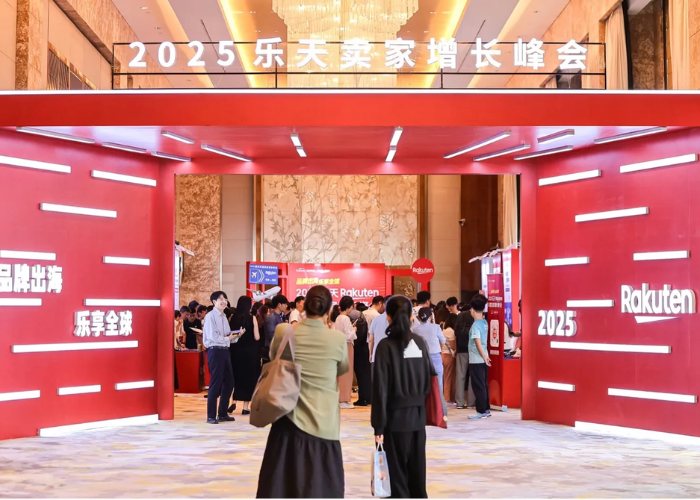
Source: Rakuten.Today
Japan's established e-commerce culture makes Rakuten Ichiba an important platform for international drinks brands working with local retailers. Its shopping environment allows customers to compare products, evaluate sellers, and make considered purchasing decisions, particularly in wine, whisky, premium beer and gifting categories. Success depends on the quality of the product presentation. Japanese-language descriptions, professional photography, accurate technical details and explanations of flavour and provenance can help unfamiliar brands communicate their value. Packaging, gift suitability and the distinction between standard and premium expressions also deserve attention.
The winning approach is to begin with a focused product range, optimise listings with retail partners and measure conversion rates, customer feedback and repeat purchases rather than simply increasing the number of products offered.

Source: Digital Business Lab
KakaoTalk is deeply embedded in South Korea's digital communication culture, making it a useful platform for businesses seeking closer customer relationships. Its business-channel capabilities can support enquiries, product information and customer service, although alcohol-related marketing and transactions remain subject to separate restrictions. International drinks brands can explore locally managed communication strategies that explain their product range, answer questions and help eligible consumers identify authorised stockists. The focus should be on providing practical information that strengthens the relationship between the brand, distributor and retail network.
The winning approach is to establish a useful communication channel with a clearly defined purpose, while directing sales and collection activity through arrangements that comply with Korean regulations.
Source: KrASIA
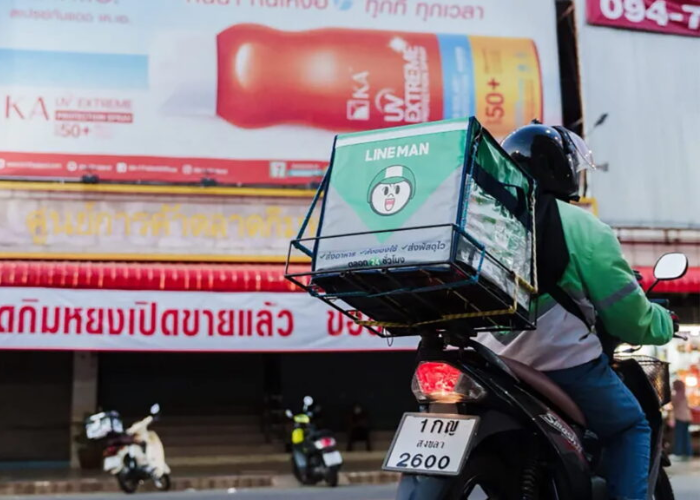
LINE is an important communication platform in Thailand, offering businesses tools to manage customer relationships and provide information. For alcohol producers, however, its potential must be considered alongside the country's stringent alcohol marketing regulations. Thailand strengthened its alcohol-control framework through amendments that took effect in November 2025, including broader restrictions on marketing communications, brand promotion and influencer activity. Consequently, brands should avoid assuming that conventional social media campaigns or promotional messages are permissible simply because the platform supports them.
The winning approach is to work closely with local legal and distribution partners to determine which factual communications and customer-service activities are permitted, building an appropriate digital presence around those boundaries rather than adapting a campaign after it has been developed.
Source: Vietnam.Vn
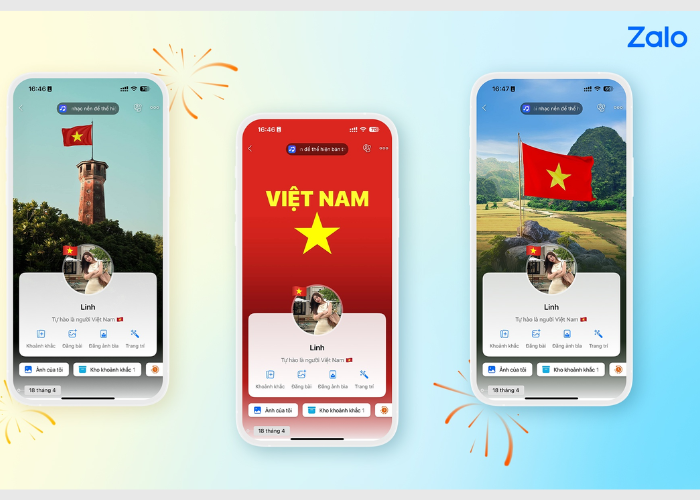
Zalo provides a locally relevant communication ecosystem in Vietnam, making it worth investigating for brands seeking stronger relationships with distributors, retailers and eligible adult audiences. Its potential lies in Vietnamese-language customer service, product information and locally appropriate communication, but alcohol regulations create important distinctions between product categories and promotional formats. Zalo's advertising policies prohibit beverages with an alcohol concentration of 15% or higher, while other alcohol advertising is subject to additional legal and platform conditions.
The winning approach is to separate general business communication from alcohol promotion, ensuring that product information, audience controls, and any approved commercial activity are appropriate for the category and local regulations.
Source: Grab
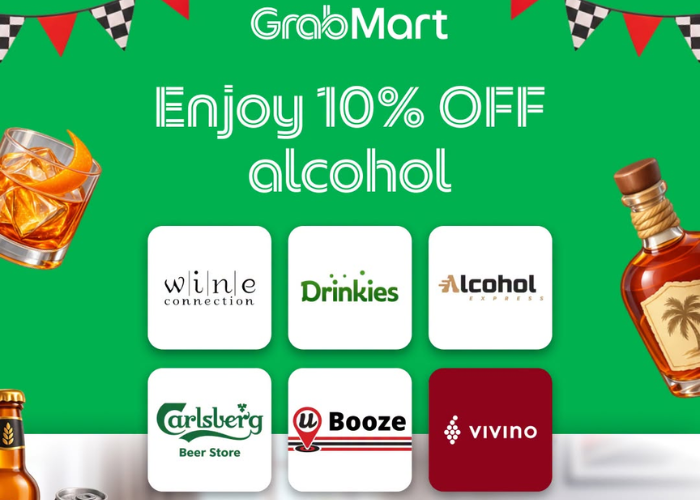
Singapore offers a useful example of how convenience platforms can support established distribution. GrabMart allows participating retailers to reach customers seeking products through familiar ordering and delivery services, subject to licensing, availability and age-verification requirements. For drink brands, this creates an opportunity to improve visibility where customers are already looking to purchase. Clear product images, accurate descriptions, suitable pack formats, and reliable stock information can make a meaningful difference to the experience.
The winning approach is to collaborate with participating retailers on product presentation and stock availability, while measuring sales performance, delivery experience, and repeat purchases within Grab's alcohol-related requirements.
Source: Shopee Malaysia
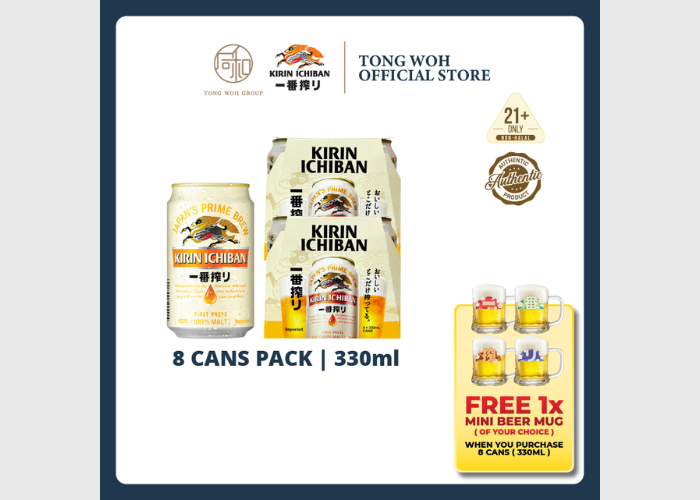
Shopee provides a significant marketplace environment in Malaysia, but alcohol sales require specific attention to licensing, seller approval, and applicable restrictions. Its policies require alcohol sellers to hold relevant permissions and obtain platform approval, with purchasing and delivery subject to eligibility checks. For international producers, the commercial opportunity is to support an approved local seller with accurate product information, professional images, and consistent brand positioning. Clear explanations of flavour, provenance, and product differences can help customers understand unfamiliar imported brands.
The winning approach is to focus on a small number of properly authorised retail partners, maintain consistent listings, and monitor commercial performance, without assuming every advertising or promotional feature is available for alcohol.

Source: Kompas
Indonesia presents opportunities for international drinks brands, particularly within eligible consumer segments and established retail channels, but alcohol distribution is highly regulated and varies by location and business activity. Blibli provides a marketplace environment worth examining with authorised local retailers. Rather than treating the platform as an unrestricted promotional channel, brands should establish which products, sellers, listings and transaction processes are permitted before developing their strategy. High-quality product information, authentic branding, reliable fulfilment and clear retail accountability are especially important for imported products competing in a price-sensitive market.
The winning approach is to prioritise trusted local sellers and compliant availability, using digital activity to strengthen existing distribution rather than attempting to bypass regulatory or retail requirements.
Source: Lazada
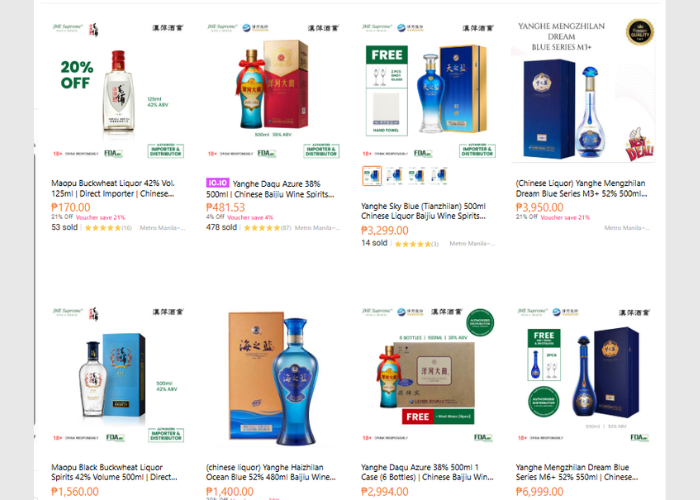
Lazada offers a marketplace ecosystem through which international brands can explore product visibility and retail opportunities in the Philippines, subject to seller eligibility, product restrictions, and applicable alcohol regulations. For wine, beer, and spirits producers, strong product presentation can help distinguish imported brands from more familiar domestic and international competitors. Clear bottle images, pack sizes, tasting information, provenance, and appropriate serving suggestions allow retailers to communicate product value more effectively. Brands should also work with local partners to verify which alcohol categories and promotional activities the platform currently permits, rather than assuming that general marketplace functionality extends to alcoholic beverages.
The winning approach is to equip authorised sellers with consistent product content, then evaluate performance through genuine customer enquiries, permitted transactions and repeat demand.
Source: The Straits Times
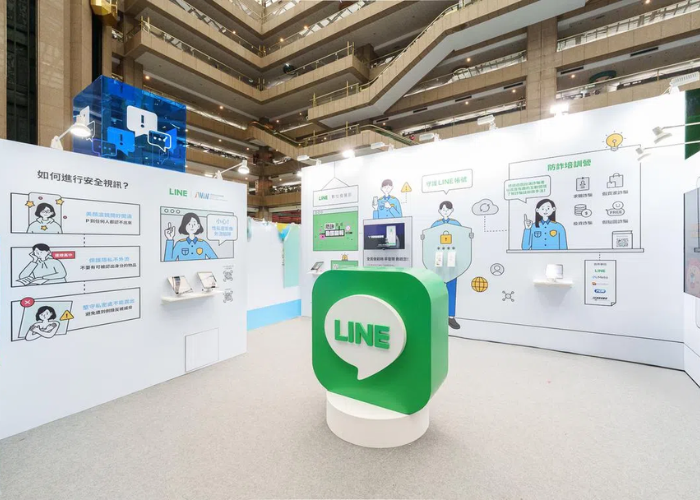
LINE plays an important role in Taiwan's customer communication landscape, offering potential for brand information, service interactions and relationships with local retail partners. However, Taiwan's regulations restrict alcohol sales through electronic shopping methods that cannot adequately establish purchaser age, making the distinction between digital communication and online checkout particularly important. Brands should therefore explore permissible ways to provide factual product information and help eligible adults discover licensed physical retailers, while ensuring that any advertising follows local requirements, including mandatory health warnings.
The winning approach is to use compliant digital communication to strengthen brand familiarity and retail discovery, without treating LINE as a direct alcohol checkout channel.
Asia’s digital platforms are reshaping how consumers discover, evaluate and purchase products, creating significant opportunities for wine, beer and spirits brands prepared to move beyond traditional distribution strategies. However, success is not about appearing on every super app or investing heavily in online promotion. It comes from understanding each market’s digital habits, selecting the right platforms and working closely with local importers and retailers to turn consumer interest into commercial results. For producers, the priority should be building a focused strategy that combines compelling localised content, reliable retail availability, compliant customer engagement and measurable performance. A strong digital presence should make it easier for distributors to introduce products, for retailers to sell them and for consumers to make informed purchasing decisions. Ultimately, winning in Asia requires more than securing shelf space or generating online attention. Brands that achieve lasting growth will connect digital discovery with trusted local distribution, turning visibility into demand, demand into sales, and sales into sustainable market growth.
Header image source: Helpful Insight Private Limited
Also Read:
Joshua Tan: What Spirits Brands Need to Know About Winning Bartenders and Consumers in Asia
Simone Rossi On Bringing Ratafia Rossi To Asia’s Spirits Market
Nicola Mangiacapra: What Spirits Brands Need to Know About Asia’s Premium Hospitality Market
Get your spirits evaluated by leading Asian importers, distributors, retailers and trade buyers. Receive detailed feedback on quality, value and packaging and discover how your brand can improve its market potential in Asia.